A motorcycle fairing is a cover that protects your bike. It makes the bike look cool and helps it move better in the wind. It’s not just for style—it keeps you and the engine safe from wind, dirt, and rain. If you have a used motorcycle, getting a new fairing can really help.
Why is this important? Over time, old parts can make your ride less smooth, less safe, and less comfy. A new fairing, especially an aftermarket one, can block strong winds, keep you safer, and even save gas by using fuel better. Plus, you can make your bike look new and stylish with a fairing kit. Whether you’re riding on the highway or in town, a good fairing makes the ride easier and more fun.
When you buy a fairing, you’re not just making your bike look better—you’re also improving how it works and keeping it safer. So, why keep old, worn-out parts when you can get new ones and enjoy all the great benefits?
A new motorcycle fairing helps your bike go faster. It improves how air moves around it, saving fuel too.
Fairings shield you and your bike from wind, rain, and dirt. This makes riding safer and more comfortable.
Pick the right fairing type—full, half, quarter, or touring. Choose based on how you ride and what you need.
Adding a new fairing can make your bike look cooler. It also increases its value and makes riding more fun.
Think about materials like ABS plastic for low cost, fiberglass for design changes, or carbon fiber for better performance.
A motorcycle fairing is like armor for your bike. It’s a cover that goes around parts like the engine or handlebars. This cover isn’t just for looks—it helps your bike work better and feel smoother on the road.
Fairings have two main jobs: protection and better movement. They keep dirt, weather, and debris away from your bike’s parts. They also help your bike move through the wind easily, making it faster and saving fuel. Some fairings cover a lot of the bike, while others leave parts like the engine visible. Riders pick fairings based on how they look and how they feel about their bikes.
|
Aspect |
Description |
|---|---|
|
Function |
|
|
Design |
Fairings can cover a lot or a little of the bike. |
|
Aesthetic Consideration |
Riders choose fairings based on style and personal taste. |
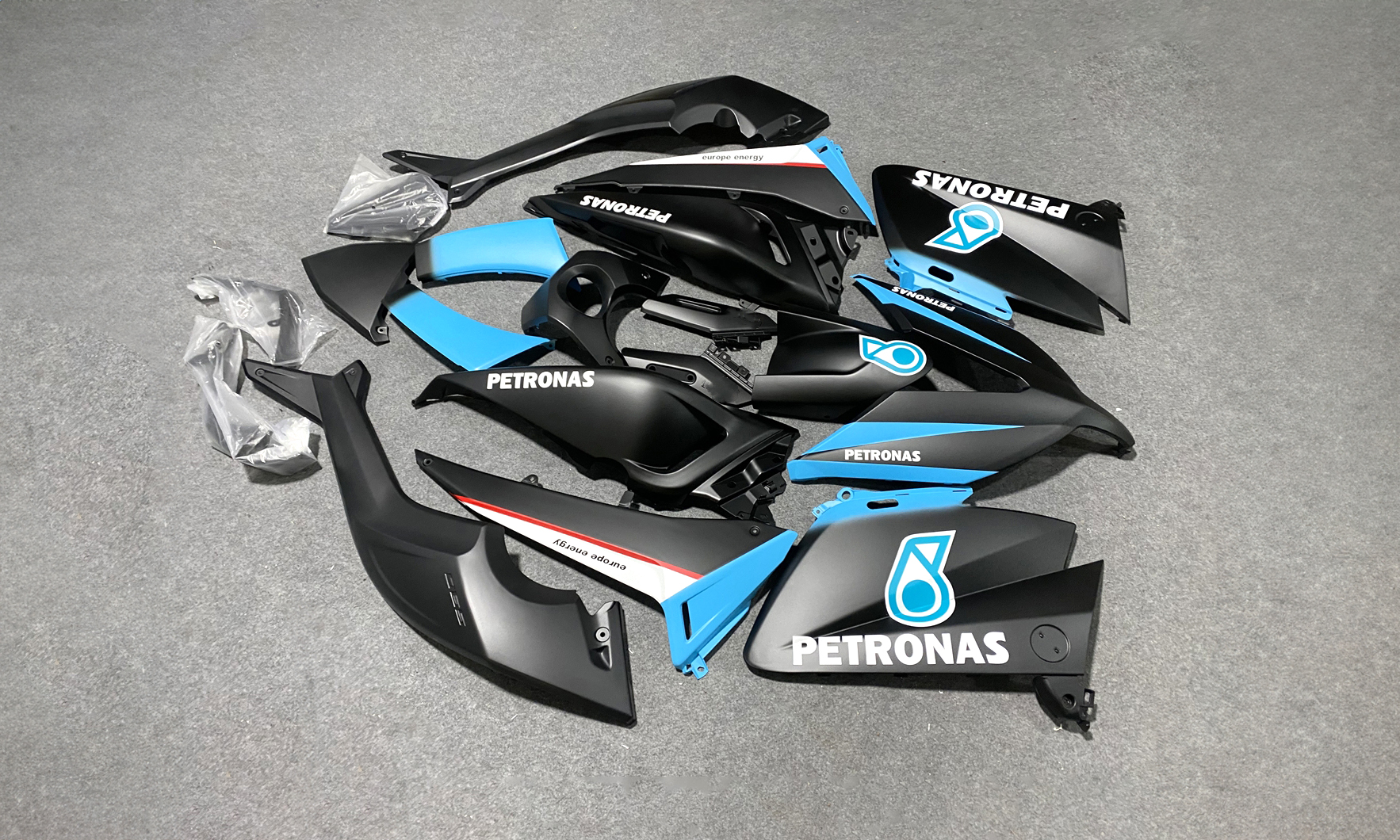
Fairings are even more useful for older bikes. Over time, old fairings can get damaged or faded. New fairings can make your bike look cool again. But they’re not just for looks—they make riding better too.
Fairings protect you from wind, rain, and flying debris. Without one, riding on the highway can be tiring and uncomfortable. A fairing blocks the wind, keeping you and your bike safe. It also helps your bike use less fuel by cutting through the wind better. This makes your ride smoother and saves gas.
Custom fairings are very popular now. Many riders, especially younger ones, love making their bikes unique. The market for custom motorcycle parts is growing fast because of this trend. Events like bike shows also make people want cool fairings to show off their rides.
Here’s why fairings are great for your used bike:
They shield you and your bike from wind, dirt, and bad weather.
They help your bike save fuel by reducing wind drag.
They give your bike a fresh, stylish look.
They make long rides more fun and comfortable.
If your bike’s fairings are old or broken, it’s time to replace them. New fairings can make your bike safer, faster, and more enjoyable to ride.
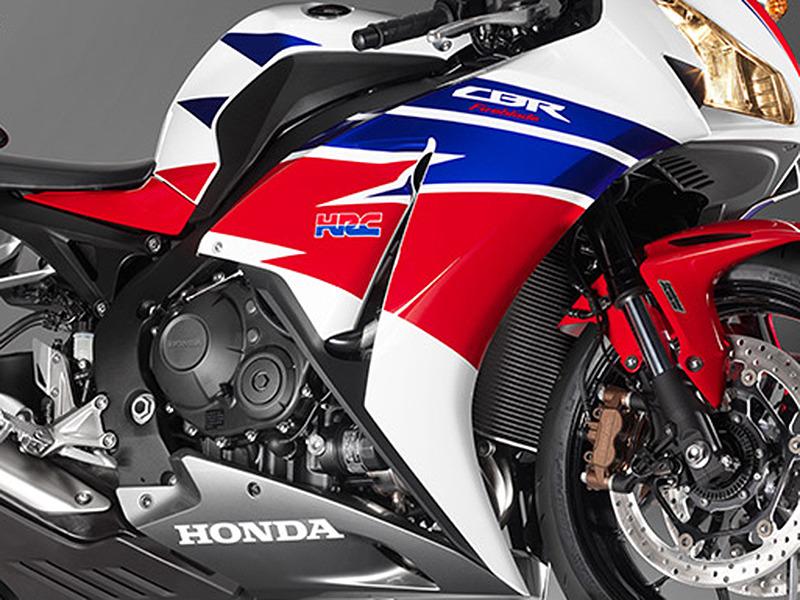
Motorcycle fairings come in different types. Each type has its own benefits. The right choice depends on how you ride and what you need. Let’s look at the main types.
Full fairings cover most parts of your motorcycle. They protect the engine and other important areas. These fairings are great for keeping your bike safe from wind, rain, and dirt. They also make your bike move better through the air. This helps you save gas and enjoy smoother rides.
Sportbike riders love full fairings. They make bikes faster and steadier at high speeds. Tests show that fairings improve speed and performance. For example:
|
Flight |
Description |
Speed Improvement |
|---|---|---|
|
#2 |
Adding wheelpants and landing gear fairings |
|
|
#3 |
Replacing tailwheel fairing |
Edged up to 188 knots TAS, improvement of 1 knot |
If you want top performance, full fairings are a smart pick.
Half fairings cover the top part of your bike. They protect the handlebars and part of the engine. These fairings balance style and protection. They block some wind and dirt but leave parts of the bike open for a sporty look.
Half fairings are good for riders who want both looks and function. They’re easier to put on and take care of than full fairings. If you have a used bike, half fairings can make it look cool without costing too much.
Quarter fairings are the smallest type. They cover the front of the bike, like the headlight and handlebars. These fairings are light and simple. They’re great for casual riders or people who like a clean, basic design.
Quarter fairings don’t protect as much as other types. But they still cut wind and make riding easier. They’re also a fun way to add style without big changes.
Tip: Think about how you ride before picking a fairing. Do you go on long trips or stay in the city? Your riding style will help you choose the best one.
Naked fairings are simple and show off your bike. They leave most parts uncovered, giving a clean and classic look. If you like a basic style, this type is for you. It focuses on keeping things natural and straightforward.
These fairings are light and easy to care for. They don’t make your bike heavy, so it stays quick and easy to handle. While they don’t block much wind, they’re great for short trips or city rides. You’ll feel closer to the road and your surroundings.
Naked fairings are also affordable. If you want to upgrade your bike without spending a lot, they’re a smart pick. They’re simple to put on, even if you’re not an expert. You can give your bike a fresh look with little effort.
Tip: If you mostly ride in cities or like a simple style, naked fairings are a great choice. They keep your bike’s natural charm while staying easy and practical.
Touring fairings are made for long trips. They make riding more comfortable and useful. These fairings are big and block wind well, which is important for long hours on the road. They also protect you from rain and dirt, making rides safer and better.
Touring fairings often come with extra features. They might have storage spaces, navigation tools, or even entertainment systems. Bikes with these fairings usually have comfy seats and room for luggage. They’re like small travel machines for the road!
Touring fairings are becoming more popular. Here’s how the market is growing:
This growth shows how much riders value comfort for long rides. Touring fairings are a big reason for this. They’re perfect for people who love exploring and need a bike that can handle long adventures.
Benefits of touring fairings:
Built for long-distance trips
Adds comfort and storage
Large fairings block wind
Comfortable seats and luggage space
Includes advanced tech for navigation and fun
If you enjoy long rides or road trips, touring fairings are a great choice. They mix style, comfort, and usefulness, making your bike ready for any adventure.
When picking a new fairing, the material matters a lot. It changes how your bike works, its weight, and how long it lasts. Here are three popular materials for motorcycle fairings.
ABS plastic is a very common fairing material. Why? It’s strong, bendable, and not too expensive. It can handle small hits, keeping your bike safe from scratches. It also resists heat, so it won’t change shape on hot days.
Another reason people like ABS plastic is its price. It’s tough and flexible without costing too much. Whether you buy an original or aftermarket fairing, ABS plastic is a solid pick. If you want something strong and affordable, this is a great choice.
Fiberglass is another material used for fairings. It’s light and easy to shape, making it great for custom designs. If you want your bike to look special, fiberglass is worth a look.
This material is durable but not as tough as ABS plastic. Fiberglass can crack under heavy pressure, but fixing it is simple. If you like customizing your bike and don’t mind repairs, fiberglass is a good option.
For the best performance, carbon fiber is the top choice. It’s super light and very strong. High-performance bikes, like the BMW HP4 RACE, use it. This bike weighs only 378 pounds, showing how carbon fiber improves speed and reduces weight.
Carbon fiber fairings also look stylish and modern. They’re perfect if you want your bike to stand out. While they cost more, their performance and sleek design make them worth it.
Tip: Think about how you ride before choosing a material. Do you need something strong for daily use or light for speed? Pick based on what you need most.
Polycarbonate is a strong plastic used for motorcycle fairings. It’s very tough and can handle rough use without breaking. If you ride in hard conditions, this material is a great choice.
One big benefit of polycarbonate is its strength. It doesn’t crack easily, even if it gets hit. This makes it perfect for riders on bumpy roads or tricky streets. Whether you’re in the city or on highways, it keeps your bike safe.
Another plus is that it’s lightweight. Polycarbonate fairings don’t make your bike heavy. This keeps your bike fast and easy to control, even on long trips. The material is also flexible, so it absorbs shocks well.
Polycarbonate works well in all weather. It won’t bend in heat or cold. It also resists UV rays, so it stays looking new for a long time. This makes it a reliable choice for any season.
If you want fairings that are strong and stylish, polycarbonate is a good pick. It comes in many designs to match your bike’s look. With this material, you get durability, good performance, and style.
Tip: For tough rides or lasting quality, choose polycarbonate fairings. They’ll protect your bike and keep it looking great for years.
When picking a fairing, make sure it fits your bike. Not all fairings match every motorcycle, and the wrong one can cause problems. A good fit makes setup simple and ensures everything works well.
There are three types of compatibility. Fully compatible fairings fit perfectly and come with all needed parts. These are easy to install and save time. Partially compatible fairings need small changes but can still work well. Non-compatible fairings require big adjustments and are best for custom projects.
|
Compatibility Level |
Description |
|---|---|
|
Fully Compatible |
Fits perfectly, includes all parts, and is easy to install. |
|
Partially Compatible |
Needs minor tweaks but works for those okay with adjustments. |
|
Non-Compatible |
Requires major changes, ideal for custom or special builds. |
Check your bike’s model and year before buying. Brands like Nicefairings make custom fairings for specific bikes. This ensures a perfect fit and saves effort during installation.
Your budget is key when choosing a fairing. Prices range from cheap to very expensive. Knowing your limit helps you pick wisely.
If money is tight, ABS plastic fairings are strong and affordable. Fiberglass fairings cost more but allow for custom designs. For top performance, carbon fiber fairings are lightweight and stylish but pricey.
Think about long-term savings. Spending more now on durable materials like polycarbonate can save money later. These last longer and need fewer replacements. Nicefairings offers options for every budget, so you can find quality without overspending.
Tip: Decide your budget first. It helps you stay focused and avoid extra costs.
How your bike looks is important. Many riders upgrade fairings to improve style. About 60% of riders choose fairings based on appearance.
Fairings come in many colors, designs, and finishes. Custom fairings are popular for used bikes, letting you create a unique look. Nicefairings specializes in custom designs to match your style.
Think about your bike’s overall vibe. Sporty bikes look great with full fairings in bright colors. Vintage bikes pair well with simple, clean designs like naked fairings. Touring fairings mix style with useful features like storage.
Note: A fairing isn’t just for function—it shows your personality. Pick one that makes you proud to ride.
When choosing a fairing for your motorcycle, you need to think about how it will affect performance and functionality. A fairing isn’t just about looks—it plays a big role in how your bike handles, how comfortable your ride feels, and even how much fuel you use. Let’s break it down so you can make the best choice for your needs.
Do you love riding fast? Then you’ll want a fairing that improves aerodynamics. A well-designed fairing reduces wind resistance, helping your motorcycle cut through the air more smoothly. This not only makes your bike faster but also saves fuel. Full fairings are a great option if speed and efficiency are your top priorities. They cover most of the bike, giving it a sleek shape that’s perfect for high-speed rides.
Tip: If you’re into racing or long highway rides, go for a fairing that enhances aerodynamics. It’ll make your motorcycle feel like it’s gliding on the road.
If you enjoy long trips, comfort is key. A good fairing can block wind and reduce fatigue, making your ride more enjoyable. Touring fairings are designed for this purpose. They’re larger and provide excellent wind protection, keeping you shielded from harsh weather. Some even come with extra features like storage compartments or built-in navigation systems.
Imagine cruising down the highway without the constant push of wind against your chest. That’s the kind of comfort a touring fairing can offer.
A fairing isn’t just about making your motorcycle look cool—it also protects you and your bike. It shields you from flying debris, rain, and even bugs. For your bike, it keeps important parts like the engine safe from dirt and damage. If you ride in tough conditions, a durable fairing made from materials like polycarbonate or ABS plastic is a smart choice.
The type of fairing you choose can also affect how your motorcycle handles. Lightweight fairings, like those made from carbon fiber, are ideal if you want better control and agility. They don’t add much weight to your bike, making it easier to maneuver. On the other hand, heavier fairings might provide more stability, especially at high speeds.
Your riding style plays a big role in choosing the right fairing. Are you a city rider who loves short, casual trips? A quarter or naked fairing might be perfect for you. Do you prefer long-distance adventures? Then a touring fairing is the way to go. Think about how and where you ride most often, and pick a fairing that matches your lifestyle.
Note: There’s no one-size-fits-all solution. The best fairing for your motorcycle depends on what you need most—speed, comfort, protection, or style.
By focusing on performance and functionality, you can find a fairing that not only looks great but also makes your rides smoother, safer, and more enjoyable. Take your time, explore your options, and choose a fairing that fits your motorcycle and your needs perfectly.
Before starting, gather all the tools you’ll need. Having everything ready makes the job easier and faster. Here’s a simple checklist:
Basic Tools:
Phillips and flathead screwdrivers
Allen wrenches
Socket wrench set
Pliers
Extra Items:
Soft cloth (to protect your bike’s paint)
Zip ties (to secure loose wires)
Torque wrench (to tighten bolts correctly)
Front headlight and nose fairing
Left and right side fairings
Front tire fender or splash guard
Tank cover for protection
Rear fairing and seat cowl
Tip: Check your fairing kit for all parts. Most kits include everything, but it’s smart to confirm before starting.
Preparation helps make installation smooth. Park your bike on a flat surface. Use a center or paddock stand to keep it steady. This keeps the bike safe and gives you better access.
Clean your bike before starting. Dirt can make installation harder. Use a soft cloth and mild cleaner to wipe areas where the fairing will go. Cleaning also helps you spot any damage that needs fixing.
Disconnect the battery next. This avoids electrical problems while working. It’s a small step that prevents big issues later.
Note: Take photos of your bike before removing the old fairing. These pictures can guide you when installing the new one.
Removing the old fairing is simple if done step by step. First, find the screws or bolts holding it in place. Use your tools to loosen and remove them carefully.
Gently pull the fairing off the bike. Be careful not to damage wires or clips attached to it. If it feels stuck, check for hidden screws or fasteners.
Keep screws, bolts, and clips in a container. This stops them from getting lost and helps during reassembly. If the old fairing is broken, recycle or dispose of it properly.
Tip: Label screws and bolts as you remove them. This makes reassembly quicker and easier.
Now comes the exciting part—installing your new fairing! Don’t worry if you’re not a pro mechanic. With a little patience and the right steps, you can do this yourself. Here’s how to get started.
Take your new fairing and hold it up to your motorcycle. Make sure it lines up with the mounting points. This step is crucial because a misaligned fairing can cause issues later. If your fairing kit includes instructions, follow them closely. They’ll guide you on where each piece goes.
Once everything is aligned, start attaching the fairing to your motorcycle. Use the screws, bolts, or clips that came with your kit. Tighten them just enough to hold the fairing in place but don’t overdo it. Over-tightening can crack the fairing or damage your bike.
Tip: Use a torque wrench for precise tightening. It ensures you don’t apply too much force.
If your fairing has lights or other electrical components, connect the wiring now. Match the wires to their corresponding connectors. Double-check everything to make sure it’s secure. Loose wires can cause problems down the road.
Before you hit the road, test your motorcycle with the new fairing installed. Check for any rattling or loose parts. If something feels off, adjust it. A quick test ride around the block can help you spot any issues.
Note: Take your time during installation. Rushing can lead to mistakes, and you want your fairing to fit perfectly.
By following these steps, you’ll have your new fairing installed in no time. Not only will your motorcycle look amazing, but it’ll also perform better and feel more comfortable to ride.
Getting a new fairing can change how your bike rides. It helps your bike move through the air more easily. This makes your ride faster and saves gas. For example, the 2025 Daytona 660 has a new fairing tested in wind tunnels. The test showed it reduces drag and keeps the bike steady at high speeds. This means smoother rides with less work for the engine.
New fairings also have smart designs, like hollow parts, to cut down on wind turbulence. This lowers wind buffeting, making rides more stable and comfy. Whether you’re on highways or sharp turns, a new fairing improves control and performance.
A new fairing isn’t just about speed—it keeps you safer too. It blocks wind, dirt, and bad weather from hitting you and your bike. It also reduces wind pressure on your chest, making long rides easier.
Fairings can even help in crashes. In front impacts, they absorb some of the force to protect you. Here’s how fairings improve safety:
|
Evidence Description |
Key Findings |
|---|---|
|
Front crash tests (ISO 13232) |
|
|
Safety designs with airbags |
Protects the rider’s upper body during crashes. |
|
Injury comparison tests |
Riders with fairings face less body strain in crashes. |
Upgrading to a strong fairing, like those from Nicefairings, boosts safety and style.
Your bike’s look is important. A new fairing can make it look modern and cool. You can pick sporty or bold designs to match your style. Companies like Nicefairings let you create custom fairings for a unique look.
A new fairing also hides old scratches and faded paint. It makes your bike look shiny and new again. A stylish fairing can boost your confidence and make every ride exciting. If you want your bike to look and feel better, a new fairing is a great choice.
Picking the right fairing for your used motorcycle isn’t just about looks—it’s a smart choice. A good fairing helps your bike by cutting wind resistance, making rides more comfortable, and keeping you and your bike safe. It can also make your motorcycle worth more if you sell it.
Here’s why upgrading is a good idea:
|
Advantage |
Fact |
|---|---|
|
Better Speed |
Bikes with fairings can go up to 10% faster. |
|
More Comfort |
Fairings block wind and rain, reducing tiredness. |
|
Improved Style |
A better look can raise your bike’s value. |
If you’re thinking about getting a fairing, check out motorcycle fairing kits from trusted brands like Nicefairings. They offer great designs that match your bike and style perfectly.
It depends on what you need. ABS plastic is strong and cheap. Carbon fiber is light and great for speed. Polycarbonate is tough and handles rough rides well. Pick based on your budget and riding style.
Yes, you can! With simple tools and patience, it’s doable. Follow the steps in your fairing kit carefully. If you’re unsure, ask an expert for help.
Check the maker’s compatibility info. Look for fairings made for your bike’s model and year. Brands like Nicefairings offer custom fairings that fit perfectly.
Yes, they can be! Aftermarket fairings often cost less and have more designs. Just buy from a trusted brand to ensure they last and work well.
Yes, they do! Fairings cut wind resistance, making your bike move easier. This improves aerodynamics and saves gas, especially on long trips or fast rides.