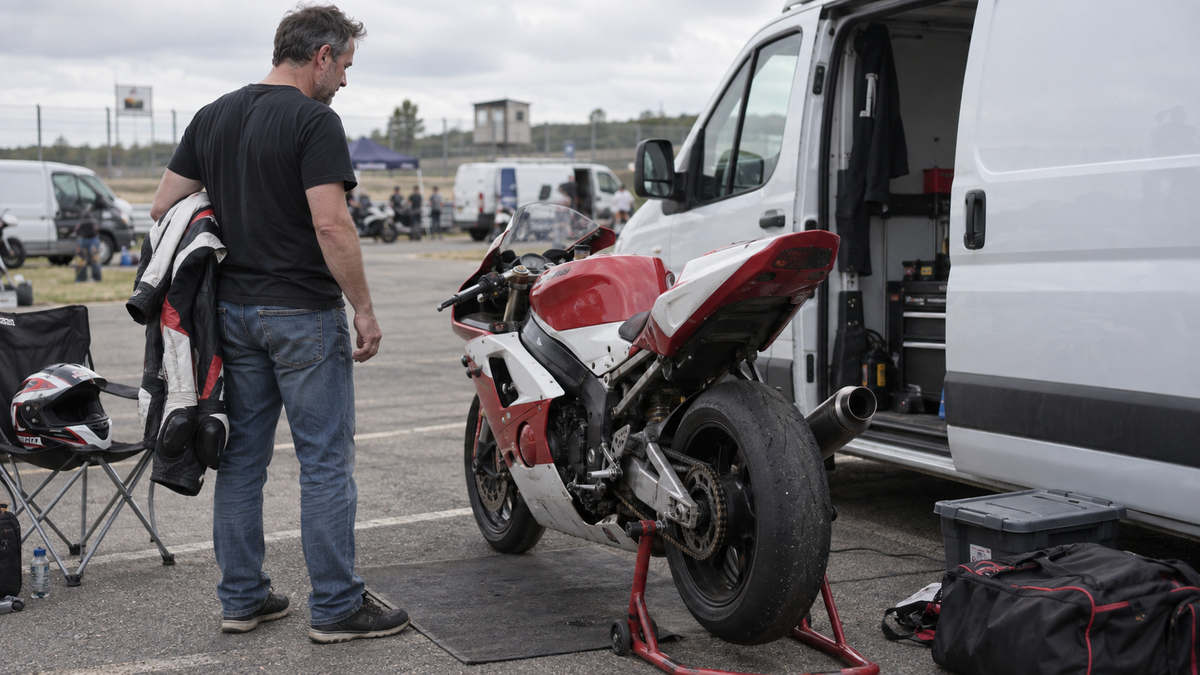
Packing for a track day brings a practical question: should the original painted panels stay on the motorcycle, or stay safely at home? A second set of track day fairings can keep removable OEM bodywork away from paddock wear and on-track damage. It also adds fitting work, storage needs and another set of parts to maintain. The right decision starts with your event requirements, your particular motorcycle and a complete project budget. Here is how to plan two sets of bodywork without confusing cosmetic preservation with protection for the whole bike.
Images in this guide are AI-created editorial illustrations, not photographs of a supplied kit or a completed customer project.
Should I Remove OEM Fairings for Track Day? Deciding on a Second Set
You face a real choice here. Your riding frequency matters, but it is not the only factor. Event rules, your bike's configuration, your risk tolerance, and your budget all shape the answer. Think of frequency as one input among several. A rider who visits the track twice a year might still want a second set if the organizer demands specific bodywork. Another rider who goes monthly might keep stock panels because the local track group allows them and the budget stays tight.
Occasional Track Days vs. Frequent Track Days
For an occasional track day, retaining stock panels can be a reasonable option when the organizer permits the complete motorcycle configuration. You avoid buying, fitting and storing another set. You also accept that the original finish may be damaged during that outing. One event can still justify a separate set if your requirements or tolerance for that expense point that way; there is no minimum number of visits that makes the decision correct.
Frequent track riders face a different math. If you ride monthly or more, a second set starts to make sense. You reduce wear on your original panels. You also gain flexibility for repairs between events. But the decision still depends on your situation. A frequent rider with a generous budget and a demanding event schedule will benefit most. A frequent rider on a tight budget might still keep stock panels and accept the trade-offs.
When Stock Panels Are a Reasonable Choice
A first-time rider can consider retaining stock panels after confirming the event requirements. Compare the cost and disruption of a bodywork conversion with the cost you are prepared to accept if the original panels are damaged. Damage can be more than minor scratching, so make that comparison before deciding.
Stock panels also make sense when your event rules do not require race bodywork. Some track day groups only ask for tech inspection and basic safety items. They do not mandate a dedicated track kit. In that case, your original fairings serve you well.
Now consider what a second set does not do. Preserving your removable original panels does not protect your frame, engine, tank, or yourself. It does not undo track use or crash history. A separate bodywork set is a cosmetic and practical choice, not a safety shield. You still need to inspect your bike, maintain it, and ride within your limits.
If you decide a second set is right for you, price the complete project. Factor in fitting, paint, brackets, a seat if needed, storage, transport, and return-to-road checks. The fairings themselves are only one line item. Riders often overlook these extras and then feel surprised by the total.
So, should I remove OEM fairings for track day? The honest answer depends on your event rules, your bike, your comfort with risk, and your wallet. Frequency guides you, but it does not rule you. Weigh all four factors before you commit.
Budgeting the Project and Keeping Honest Ownership Records
Costs Beyond the Fairings Themselves
A second set of bodywork costs more than just the kit you see online. You need to plan for fitting, paint, brackets, and possibly a new seat. Storage takes space in your garage. Transport adds hassle to every track day. Return-to-road checks cost time and money when you swap back. Each item affects your total budget.
Start by listing every expense. A chosen kit may need different mounting hardware or additional seat-related parts; ask the supplier for its exact requirements. Paint or a simple graphic design adds cost but makes the kit yours. Include professional fitting, applicable shipping and taxes, storage materials, and any work needed to restore your road configuration.
When you price out the full project, you get a clearer answer to whether a second bodywork set makes sense for you. Compare complete written quotes rather than an OEM single-panel price against an aftermarket kit headline. Keep labor and additional parts visible. There is no reliable break-even number of track days or guaranteed resale premium: both depend on the actual motorcycle, condition, local market and project costs.

Keep honest records of every cost. Write down what you buy and what you spend. This helps you decide if a second set was worth it at the end of the season. It also keeps your ownership history clear and accurate for any future inspection.
Documenting What You Own and What You Change
Record track use, repairs and modifications accurately. Refitting undamaged original panels may preserve an original appearance, but it does not return a used or crashed motorcycle to showroom condition. A buyer still needs an honest account of the motorcycle as a whole. Keep invoices and inspection records alongside your bodywork inventory.
Take photos before you remove any part. Map every component you take off the bike. Label bags with bolts and small hardware so nothing gets lost. This makes swapping back much easier at the end of the season. It also creates a clear paper trail for future reference.
When you return to road use, you need a qualified inspection. Restoring required equipment means more than just cosmetic panels. Lights, mirrors, and other safety items must work properly. A mechanic can verify everything is correct before you ride on public roads again.
Honest records protect you in the long run. They show what you changed and when you made each change. They also remind you that the bike's track history stays the same no matter what bodywork you put on. You just kept the cosmetic parts separate for practical reasons.
Choosing Track Bodywork or a Street-Style Kit for Your Event
Your event rules guide this choice more than anything else. Some track day groups accept your stock panels after a basic tech check. Others want specific bodywork setups. You need to read your organizer's current rulebook before you buy anything. The requirements change by group, by region, and by season.
Matching the Kit to Your Event Requirements
Start with your organizer's published requirements. Sportbike Track Time's technical requirements, for example, call for technical inspection and covering or removing lights and lenses; mirror requirements differ by group. That is one organizer's example, not a universal rule for every US or European event. Check the current requirements for your booked date and group.
Check your specific event and group rules before you commit to a kit. Do not assume that one organizer's rules apply to another. A setup that works at your local track day might fail inspection at a different venue. The same logic applies when you ask yourself should I remove OEM fairings for track day—your organizer's answer carries more weight than any general advice.
Once you know your event requirements, browse options that match your bike. You can explore collections like Kawasaki Ninja 400 fairings, BMW S1000RR fairings, or Yamaha R1 fairings to see what styles exist. These collections are browsing resources, not guarantees that a specific kit fits your event or passes inspection. Always verify fitment and rule compliance before you buy.
A Short Note on ABS and Fiberglass
The ABS versus fiberglass question comes up often. The honest answer depends on the specific kit you consider. Openings, mounting points, surface finish, and repairability all vary by manufacturer and product line. Neither material is universally a direct bolt-on. Neither is universally lighter, tougher, or approved for racing. You need to evaluate each kit on its own merits.

A street-style ABS kit is not automatically race bodywork. It is also not a fluid-retaining belly pan unless the manufacturer specifically designs it that way. If your organizer requires a fluid-retaining lower, check that your chosen kit meets that standard. Do not assume that any aftermarket bodywork satisfies race regulations.
Your best move is to contact the kit manufacturer and your event organizer directly. Ask specific questions about fitment, material, and rule compliance. Get answers in writing when possible. This protects you from surprises at tech inspection and helps you choose the right bodywork for your actual needs.
Storing OEM Panels and Planning Reversible Work
Inventory, Photos, and Storage
Take clear photos of your bike before you remove anything. Shoot from several angles so you remember how every part fits. Map each component you take off. Write down where it goes and what hardware holds it in place. This step saves you hours of guesswork when you swap back later.
Label every bag of bolts and small hardware. Use a permanent marker on zip-close bags. Mark which fasteners belong to which panel or bracket. The details fade fast over a season. Good labeling makes the whole process smooth and stress-free.
Store your OEM panels with care. Protect the painted faces from scratches and pressure points. Do not stack them in a way that loads the mounting tabs or clips. The tabs are fragile and can crack under weight. Support larger shapes evenly so nothing warps over time. Use soft padding between panels if you store them together. Keep them in a dry area away from direct sunlight and away from heavy objects that could fall and damage them.

When you ask yourself should I remove OEM fairings for track day, remember that proper storage of your original set is part of the plan. You preserve the street bodywork without damaging it, so it stays ready for your return to road use.
Return-to-Road Checks After Track Season
Swapping your original panels back on does not make the bike road-ready automatically. A qualified inspection is essential before you ride on public streets again. Restoring required equipment means more than just cosmetic panels. You need working lights, mirrors, turn signals, and other safety items that track use may have removed or disabled.
Have a mechanic check everything thoroughly. They need to verify the bike meets legal and safety standards for road use. Horn, brake lights, and reflectors all need proper function. Electrical connections and mounting security need attention too.
Plan this return-to-road check as part of your overall schedule. Do not wait until the morning you want to ride on the street. Give yourself time to address any issues the inspection reveals. Track fairings may have required changes to wiring or mounting points. Restoring everything correctly takes time.
Planning the return-to-road work early gives your installer time to resolve problems and verify the equipment needed for road use in your location. Treat the completed inspection as part of the project, rather than assuming the original panels alone restore the motorcycle to a road-ready configuration.
Personal Livery and Pre-Event Professional Signoff
Sponsor-Free Design Ideas That Stay Personal
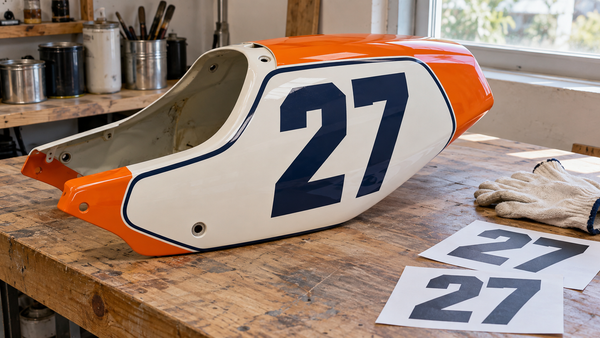
Your track bodywork gives you a blank canvas. You can pick simple, distinctive colors that make your bike easy to spot in a crowded paddock. Choose a personal number and check your organizer's number rules first. Some groups assign numbers, and others let you pick. A clean design with two or three colors often looks sharper than a busy scheme. You do not need sponsor logos to make your bike stand out. This is your project, and your taste drives every choice.

If you want a custom look, explore the custom fairings page to discuss options for your motorcycle. The production and shipping page explains the order process. NiceFairings provides finished photos whenever possible; request them for your order and compare the agreed layout, panels and visible finish. Photographs can help catch design differences, but lighting and screens cannot certify an exact paint match. Allow time for questions before shipping.
Organizer Checks and Your Next Action
Before your event, confirm every rule with your organizer. Ask about number placement, bodywork requirements, and any group-specific lighting or mirror rules. Get answers in writing when you can. This step prevents surprises at tech inspection and saves you from last-minute scrambles.
Before booking fitting work, put your organizer's requirements beside the supplier's written kit specification. Confirm the exact motorcycle application, necessary additional components and total cost. Have a qualified installer check mounting security, clearances and any application-specific heat protection according to the relevant instructions. Event technical inspection remains a separate step; a new set of panels does not replace it.
Keep the plan simple: choose bodywork for the actual event, budget the whole conversion, store the original panels carefully and retain accurate ownership records. A two-set approach can preserve removable OEM finishes and give you freedom to choose a personal track livery. Whether that benefit is worth the additional cost and work is a decision you can now make for your own motorcycle.