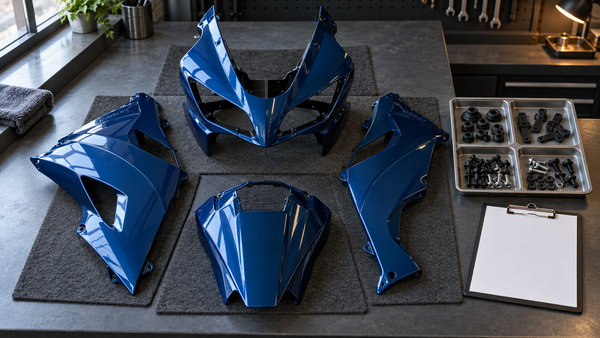

You order used BMW S1000RR fairings 2019 2026 for your 2023 S1000RR. You open the box. Nothing lines up. The mounting holes do not align. The intake ducts hit your frame. This happens often. The 2019-2022 and 2023-2026 S1000RR generations share a name but share no bodywork parts. BMW redesigned the mounting points, intake ducts, and subframe attachments. These changes make OEM parts not swappable between generations. Even the 2025-2026 models need their own special fitting. You must identify your generation correctly. You need to know which aftermarket OEM replacement options work. Proper removal depends on this knowledge. The BMW S1000RR fairings 2019 2026 differences require careful aftermarket study.
Key Takeaways
The 2019-2022 and 2023-2026 S1000RR generations share no bodywork parts.
The places where parts attach, the air intake tubes, and the frame connections are all totally different.
Use your VIN and production date to find out which generation you have.
You can tell the difference by looking at the headlights and the spots where the winglets attach.
Factory-made panels fit perfectly, but aftermarket kits give you more options.
ABS plastic works well for street riders, while carbon fiber is better for track riders.
Dry-fit all panels before tightening them so nothing gets stressed or pushed out of line.
Always match your fairings to your exact model year.

BMW S1000RR Fairings 2019 2026: Generation Fitment Overview
The Non-Interchangeable Reality
You cannot swap body panels between the 2019-2022 and 2023-2026 S1000RR generations. This fact surprises many owners. The motorcycle looks similar at a glance. The model name stays the same. Yet BMW changed the underlying structure completely. Each generation uses its own mounting method. Each generation puts its intake ducts in different spots. Each generation hooks up to a different subframe layout. These differences mean you must get the right panels for your specific model year.
The bmw s1000rr fairings 2019 2026 market shows this reality. Manufacturers sell separate kits for each generation. You will not find a one-size-fits-all option. A 2021 kit will not bolt onto a 2024 frame. A 2025 kit will not match a 2023 subframe. You need to know your exact model year before ordering anything.
Changed Mounting Points and Subframe Design
BMW changed the subframe for the 2023 model year. The new frame uses different attachment points for the tail section. The side panels connect at new locations. The front fairing bracket changed its shape. These changes shift every mounting hole by noticeable distances.
Owners of 2023-2024 models face a specific problem. You might find a used set of 2019-2022 fairings at a good price. You might wonder if small changes can make them fit. The answer is usually no. The mounting tabs sit in different positions. The fastener types differ between generations. You would need heavy custom work to adapt old panels to a new bike. This work costs more than buying the correct set.
The 2025-2026 models add another layer of trouble. BMW made more bodywork changes for these years. The fit between 2025 and 2026 models is not yet confirmed. Some suppliers treat them as the same. Others list them separately. You should check your build date before buying. Match your VIN against the maker's records. This step prevents costly mistakes.
Intake Duct and Aerodynamic Rework
The intake system changed a lot between generations. The 2019-2022 models route air through ducts at the front sides. The 2023-2026 models use a new duct design. These new ducts feed air more efficiently to the airbox. They also change the fairing's outside shape.
The aerodynamic package got equal attention. BMW added winglets to the 2023 model. These wings push down at speed. They attach to special mounting points on the side panels. The 2019-2022 fairings lack these mounting spots entirely. You cannot put factory winglets on older panels.
This creates a special situation for 2023-2024 owners. You may like the cleaner look without wings. You may want to install track-oriented bodywork. Some aftermarket makers offer wing-delete fairings for these models. These special kits fill the wing mounting holes with smooth panels. They give a proper fit without changes. You should look for these dedicated options instead of adapting older parts.
The bmw s1000rr fairings sold through aftermarket channels show all these changes. You will find separate collections for each generation. The 2019-2022 collection serves owners of those models. The 2023-2024 collection matches the redesigned bodywork. The 2025-2026 collection handles the latest updates. Each collection contains panels built for that specific design.
OEM replacement parts follow the same pattern. BMW does not offer cross-generation fit. You must order genuine panels using your VIN. The parts catalog will show only the correct options for your bike. Aftermarket makers mirror this approach. They build separate molds for each generation. They do not try to make a universal product.
The removal process also differs between generations. You must know your bike's specific fastener layout. The 2019-2022 models use certain clip types and screw locations. The 2023-2026 models use different hardware in different spots. Trying removal with the wrong method can damage panels. You should look at generation-specific guides before starting.
Bodywork replacement needs precision. You cannot guess which panels fit your motorcycle. You cannot rely on visual similarity between generations. You must check compatibility before spending money. This check saves time, frustration, and wasted expense.
The aftermarket industry has responded clearly to this situation. You will find dedicated product lines for each generation. These lines prove the non-interchangeable reality. They also give you proper options no matter your model year. Whether you own a 2020, a 2023, or a 2025, you can find correct bodywork. You simply must pick the right collection for your bike.
Visual Generation Cues
You can tell which generation you have from across a parking lot. The nose is the first clue. The 2019-2022 S1000RR has a distinct headlight design that differs from the 2023-2026 models. This gives the bike an aggressive, off-center look. The 2023 redesign changed everything. BMW switched to a new headlight design. The face looks wider and more balanced. This one change alters the whole character of the motorcycle.
Nose and Headlight Design Shift
Asymmetric to Symmetric Transition
The headlight design changed significantly between generations. The 2019-2022 models have a distinct headlight cluster, while the 2023-2026 models have a different layout. The mounting brackets differ completely between generations. You cannot swap one nose assembly for the other without major modification.
Windscreen Profile and Duct Positioning
Look at the windscreen next. The windscreen profile changed between generations. The intake ducts also moved. Earlier models route air through different slots than newer models. The duct position changes the side profile of the nose. You can see the difference from the rider's seat. The bmw engineers designed each generation's ducts to match its specific frame geometry.
Side Panel and Tank Cover Evolution
Aero Wing Mounting Points
The side panels show the biggest structural difference. The 2023-2026 models have integrated winglet mounting points. These small aerodynamic wings bolt directly into the side fairing. The 2019-2022 panels have no such provisions. Their sides remain smooth from nose to tail.
This difference matters for your bodywork purchase. If you own a 2023 or newer model, you need panels with the correct wing mounts. Standard aftermarket kits for older generations will not work. Some owners prefer the wingless look. You can find special wing-delete fairings for the newer models. These panels fill the mounting holes with clean, uninterrupted surfaces.
Airbox Cover and Rider Interface
The tank cover and airbox area changed as well. The 2019-2022 design uses a different shape than the 2023-2026 models. The rider interface also shifted. The newer tank cover integrates better with the revised fuel tank shape. The bmw s1000rr fairings for each generation match these ergonomic changes. You cannot use an older tank cover on a newer bike. The mounting points and overall shape simply do not align.
These visual cues help you identify your generation before ordering parts. Check the headlight design first. Examine the side panels for wing mounts. Look at the windscreen profile. These observations prevent costly mistakes. The oem parts catalogs follow these same visual distinctions. Aftermarket manufacturers build their molds from the correct generation's bodywork. Your removal of old panels becomes easier when you know exactly which fasteners and clips your model uses. The fitment of new panels depends on this accurate identification. Take a photo of your bike's nose and sides before shopping. Compare those images against product listings. This simple step ensures you select the correct bodywork for your specific S1000RR model year.

Bodywork Comparison by Section
Front Fairing and Nose Assembly
Mounting Tab Locations and Fastener Types
The front fairing mounting system changed completely between the two generations. The 2019-2022 models use a different bracket arrangement than the 2023-2026 models. The mounting points are in different locations. Fastener types are also different. The older generation uses standard hex bolts with rubber well nuts. The newer models use different fasteners that allow quicker removal. You cannot swap hardware between generations because the hole spacing is different.
Before ordering replacement panels, check your existing fasteners. Count the clips and bolts you remove. Note where they go. This list helps you match the correct hardware for your new fairings. Most aftermarket kits include fasteners made for your generation. OEM replacement panels require you to reuse your original hardware. The removal process goes smoother when you know which tools each connection needs.
Headlight Unit Integration
The headlight integration is another major difference. The headlight units are mounted differently between generations. The 2019-2022 models have a different arrangement than the 2023-2026 models. The fairing structure around the lights also differs. You cannot swap nose assemblies between generations without major modification. The opening sizes differ significantly.
Belly Pan and Exhaust Clearance
Catalytic Converter Positioning Changes
The belly pan shape follows the exhaust layout under the engine. The catalytic converter position changed between generations, affecting the belly pan profile. The internal clearance is different. Always choose a belly pan designed for your specific model year. The exhaust exit point also moved. You must check this alignment when installing replacement bodywork.
Tail Section and Seat Unit
Subframe Attachment and Tail Light Design
The tail section shows the most obvious structural differences. The mounting points and tail light integration changed between generations. The seat unit also differs. The tail light design changed, requiring a different wiring harness. You cannot connect an older tail light to a newer bike without adapter cables.
The BMW S1000RR fairings 2019-2026 market shows these differences clearly. Each generation needs its own tail section. The mounting holes, light integration, and subframe connections all differ. You must match your purchase to your bike's exact design. The bodywork removal process often starts at the tail for most maintenance tasks. Knowing your generation's fastener layout saves you time and prevents damage.
OEM replacement tail sections come pre-drilled for your specific model. Aftermarket options offer the same accuracy. You should check the tail light compatibility before ordering. Some aftermarket kits require you to reuse your original light unit. Others include a complete assembly. Read the product description carefully to avoid surprises during installation.
The fit of your new tail section depends on proper alignment. You should dry-fit the panel before tightening any bolts. This step shows any interference with the wiring harness or battery tray. Adjust the panel position slowly. Tighten the fasteners in a cross pattern to spread stress evenly. This approach prevents cracking at the mounting tabs.
Fairing Comparison Table
A comparison table gives you a fast way to see the differences between the two generations. You can check each feature against your own model year. This table shows the main sizes and mounting points that changed between the 2019-2022 and 2023-2026 designs. Use it as a checklist before you buy your next set of bodywork.
Key Dimensions and Mounting Points
The table below lists the main bodywork features and their details for each generation. Every row shows a difference that affects how parts fit. You cannot skip these details when picking replacement panels.
Comparison Table: Feature, 2019-2022 Specification, 2023-2026 Specification
Feature |
2019-2022 Specification |
2023-2026 Specification |
|---|---|---|
Front fairing mounting tabs |
Four tabs near steering head, hex bolts |
Wider tab spacing, push-pin clips at upper edges |
Headlight integration |
Dual independent projectors, separate trim pieces |
Single housing, two central mounts, fewer trim parts |
Winglet mounting points |
None, smooth side panels |
Integrated mounting points for aero wings |
Tail section subframe attachment |
Four-point mounting |
Three-point mounting with center rear point |
Tail light design |
Bulb and LED mix, separate unit |
Full LED strip, integrated into tail recess |
Belly pan clearance |
Low catalytic converter, left-side bulge |
Higher converter, symmetrical profile |
Intake duct position |
Narrow slots beside headlights |
Larger, prominent duct openings |
Fastener types |
Rubber well nuts, 4mm Allen bolts |
Captured nuts, push-pin clips |
Each row in this table points to a specific difference in the bodywork design. The front fairing brackets changed their shape. The tail light wiring harnesses differ. The belly pan inner space shifted with the exhaust layout. You must match every one of these features when you buy your next set.
Material and Finish Options
The material you pick for your new bodywork affects weight, durability, and cost. Both generations offer the same basic material choices. Your decision depends on how you use the bike.
ABS Plastic vs. Carbon Fiber Availability
ABS plastic is the standard material for OEM panels. It handles impacts well. It holds paint and graphics without issues. It survives daily street use. The UV resistance of ABS plastic keeps the color from fading. Most aftermarket replacement kits use high-quality ABS plastic. You can find ABS panels for every generation. The cost stays fair for a full set.
Carbon fiber offers a different set of benefits. It weighs less than ABS plastic. The weight savings help on the track. The material looks aggressive with its natural weave finish. Carbon fiber panels cost more than ABS plastic. They also need more care during installation. The material can crack under sharp impacts instead of flexing. Most aftermarket makers offer carbon fiber options for both generations. You can find full carbon fiber kits or single panels.
The bmw s1000rr fairings 2019 2026 market includes both material types. Your choice depends on your priorities. Street riders usually prefer ABS plastic for its durability and cost. Track riders often choose carbon fiber for the weight reduction. Both materials fit the same mounting points. The removal process stays the same no matter the material. The bodywork attaches the same way. Your fitment does not change based on material choice.
OEM replacement panels are not available in carbon fiber from the factory. Aftermarket makers fill this gap. They produce carbon fiber panels that match the OEM sizes. The aftermarket options give you the same fit as the original parts. The replacement process follows the same steps whether you use ABS plastic or carbon fiber. You just need to handle carbon fiber panels more carefully during installation.
Aftermarket fairings come pre-drilled for your generation. You do not need to change the mounting holes. The panels arrive ready to install. The s1000rr bodywork fits your model year exactly. You can order a complete set or single pieces. The aftermarket industry supports both generations fully. The fit matches the original BMW specs. The removal of your old panels leads directly to installation of the new ones.

Replacement vs. Custom Kits
OEM Replacement Panels
Sourcing Genuine Parts and Color Code Matching
If one panel is damaged, OEM parts are the safest choice. BMW makes these panels to the original specs. They line up with the factory mounting points exactly. You order them through a dealer using your VIN. The parts catalog shows only the right options for your generation.
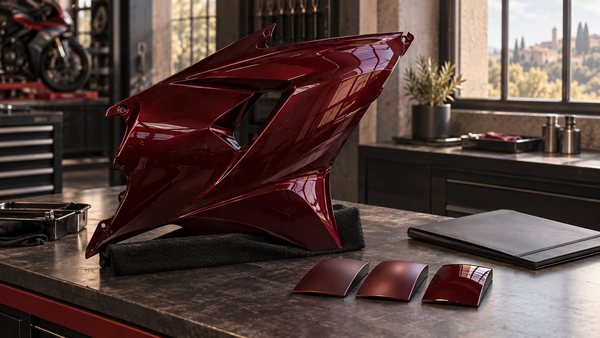
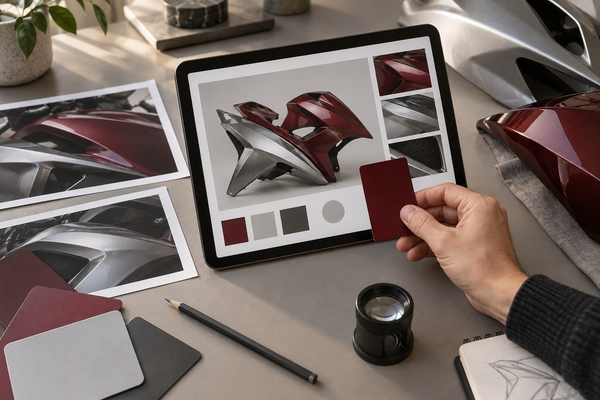
Matching the color code takes care. Your bike's factory paint has a code on the VIN sticker. You must give this code when ordering painted panels. BMW offers several colors across model years. A 2021 Racing Red is not the same as a 2024 Racing Red. The paint formula changed between generations. You cannot assume the same name means the same color.
OEM panels come unpainted or with factory finish, depending on what is available. You may need to order the panel, decals, and hardware separately. This route costs more than a full aftermarket kit. It keeps your bike original. Collectors and restorers prefer this option.
Aftermarket Fairing Kits
Street-Oriented Graphics and Track-Ready Options
Aftermarket kits give you more choices. You can pick street graphics that copy factory designs. You can choose track-ready options with bold styling. Many kits include several panels in one package. You get the nose, side panels, belly pan, and tail together. This package saves money versus buying each piece alone.
ABS kits fit the original mounting points. They may need light dry-fitting and small tweaks. Finish options range from stock colors to custom paint jobs. You can store your OEM panels while using aftermarket bodywork every day.
Navigating Listings for 2019-2022 and 2023-2024 Models
Aftermarket makers list separate kits for each generation. You will find clear groups for 2019-2022 and 2023-2024 models. These listings prove the parts do not swap. A kit for 2019-2022 should not be assumed to fit a 2023-2024 bike. The mounting tabs, intake ducts, and subframe links all differ. Your s1000rr model year tells you which kit to pick.
Check the model year range before you order. Read the product title and description closely. Some listings show photos of the wrong generation. Compare the nose shape and side panel design to your bike. This step stops costly ordering errors.
Sourcing Panels for 2025-2026 Variants
The 2025-2026 models need extra care. Some suppliers treat these years as the same as 2023-2024. Others list them on their own. Many makers have not confirmed fitment between 2025 and 2026. Check your build date before buying. The s1000rr fairings market for these newer models is still split.
Contact the seller with your VIN. Ask them to confirm their kit matches your exact model. This check protects your money. The removal process stays the same across all generations. You take off the old panels carefully and put on the new ones in reverse order.
The table below shows the main differences between OEM and aftermarket options.
Aspect |
OEM BMW Fairings |
Aftermarket ABS Fairing Kits |
|---|---|---|
Best use |
Factory restoration or replacing a single damaged panel |
Full-body replacement, custom styling, or preserving OEM panels |
Finish |
Factory paint and graphics (when correct part is available) |
Stock colors, race-inspired designs, or custom paint/decals |
Fitment expectation |
Designed around original motorcycle specification |
Designed for original mounting points but may require dry-fitting and minor adjustments |
Cost structure |
Individual panels, decals, hardware, and paint priced separately |
Often sold as a multi-panel package with included accessories |
Originality |
Best for maintaining factory specification |
Changes the motorcycle from factory-delivered condition |
Customization |
Limited to available factory colors and parts |
Broader choice of colors, graphics, and finishes |
Do not assume 2023-2024 and 2025-2026 bodywork can swap. Always check the exact model year and generation before ordering. This rule applies to both purchase types.
Cost and Material Options
Budgeting for a Full Set vs. Individual Panels
A full fairing set costs less per panel than buying individual pieces. You get the nose, side panels, belly pan, and tail section together. The package price saves you money compared to buying each part separately. Individual panels make sense when you need only one piece. A damaged side panel from a lowside costs less to replace alone. You do not pay for parts you do not need. This keeps your total cost lower.
Check your current bodywork before ordering. If your s1000rr has multiple damaged panels, buy a full set. If you need only one panel, buy that single piece. Inspect all panels first to decide. A full inspection helps you make the right choice.
ABS Plastic vs. Fiberglass vs. Carbon Fiber
The material you choose affects weight, cost, and durability. Each option has different trade-offs. The table below shows how the three common materials compare.
Material |
Weight & Stiffness |
Durability & Impact Resistance |
|---|---|---|
Carbon Fiber |
Significantly lighter than ABS and fiberglass; exceptional stiffness-to-weight ratio |
Very strong but brittle; can crack or shatter under sharp impact |
Fiberglass |
Heavier than carbon fiber; high strength but lower stiffness |
Good toughness and resistance to cracking |
ABS Plastic |
Heaviest of the three; low rigidity, prone to flexing |
Highly ductile; may dent rather than shatter; good impact absorption |
Weight Savings vs. Street Durability
Carbon fiber panels save the most weight. You feel the difference on track days. The bike handles quicker with less mass on the front and tail. The cost is higher than other materials. Carbon fiber cracks under sharp impacts. A rock or a curb can ruin a panel.
ABS plastic is the heaviest option. It flexes under stress instead of cracking. This helps on the street. A lowside might dent an ABS panel. The same crash could shatter carbon fiber. ABS panels cost less than composite options. Aftermarket options include carbon fiber and fiberglass for riders who want lighter bodywork. Most street riders choose ABS plastic for its balance of cost and durability.
Fiberglass sits between the two. It weighs less than ABS. It weighs more than carbon fiber. It offers good strength. The material can crack under repeated stress. Fiberglass is less common in the fairings market.
Your choice matches your riding style. Street riders pick ABS plastic for durability. Track riders choose carbon fiber for weight savings. The fitment of all three materials stays the same. The mounting points and hole locations do not change.
Paint and Graphics Cost Factors
The finish on your new fairings adds to the total cost. A simple solid color costs less than a multi-color design with graphics. You need to plan your budget for both the panels and the paint work.
Factory Replica vs. Unique Custom Designs
Factory replica paint matches the original BMW colors. You can order your s1000rr in its stock color. This option costs less than custom work. The painter knows the color formula. The decals are standard. The whole process takes less time. OEM panels come in factory colors only. Custom panels offer more choices.
Unique custom designs cost more but give you full control. You choose the colors and graphics yourself. The painter creates a new scheme from scratch. The decals need custom printing. The labor time increases. The result is a one-of-a-kind look that no other bike shares. Many riders choose this route for track bikes.
The aftermarket industry offers both options. You can order pre-painted panels in factory colors. You can also order unpainted panels and take them to a shop. The replacement of old bodywork with new panels follows the same steps. The removal process does not change based on the paint job.

Installation and Dry-Fit Guide
Required Tools and Hardware
Rivet Nuts, Dzus Fasteners, and OEM Clips
You need the right tools before starting the bodywork installation. A socket set with common metric sockets covers most BMW S1000RR fasteners. Allen keys handle the fairing bolts. Plastic trim tools protect the painted surfaces.
The hardware depends on the type of fairings you use. OEM panels use standard fasteners, while aftermarket kits often include new hardware. Some kits use specialized fasteners like rivet nuts or Dzus fasteners. You may need the appropriate tools to install them. Other kits use Dzus fasteners for quick-release access. Track riders prefer Dzus fasteners for speed. How often you plan to do fairing removal determines your choice. The fairing removal process requires care. Street riders stick with the OEM clips.
You should follow a step-by-step removal guide before starting installation. Save all the original hardware. A pre-removal checklist helps you track what you remove. You can find detailed removal walk-throughs online for your s1000rr generation.
The Dry-Fit Process
Aligning Panels and Identifying Stress Points
Dry-fitting means installing all panels without tightening anything. This step shows you where the panels align. It reveals stress points where the bodywork binds against the frame.
Start with the nose assembly. Check the gap around the headlight. The panel should sit flush against the mounting brackets. Next, fit the side panels. You want even gaps along every seam. The belly pan goes on last. Check the clearance around the exhaust.
Look for stress points during the dry-fit. A white mark on the plastic means the panel is bending too much. Adjust the mounting position or trim the tab. Do not force any panel into place. The aftermarket bodywork may need small adjustments. File the edges until the fit is smooth.
Modifying for Exhausts or Accessories
Your aftermarket exhaust may need a different belly pan cutout. Check this clearance during the dry-fit. Mark where the exhaust touches the panel. Trim the plastic with a rotary tool. Test the fit after each cut.
Frame sliders need clearance holes in the side panels. Plan these modifications before you finish the panels.
Pre-Fit Checklist and Resources
Reviewing the Pre-Fit Checklist Before Drilling
Check every panel alignment before you drill any holes. Verify the nose sits straight. Confirm the side panels match the tank cover profile. Ensure the tail section aligns with the subframe. The bodywork should not contact the frame, radiator, or exhaust.
Review the checklist from the start of the process. The removal of the old panels is a reference for the new installation.
When to Consult a Professional Installer
See a professional if the panels do not align without stress. A professional installer has the tools and experience to fix alignment problems.
See a professional if you need to modify the subframe. Some aftermarket kits require new mounting brackets. The cost of professional installation is less than replacing damaged panels.
Decision Guide
Your riding style determines which fairings you should buy. The choice between street comfort and track performance changes every decision. You must match your bodywork to how you actually ride your s1000rr.
For the Street Rider
Prioritizing UV Resistance and Durability
Street riding exposes your panels to harsh conditions. Sunlight degrades cheap materials over time. Rain and road debris test the panels daily. You need covers that survive years of regular use.
ABS plastic stands as the best choice for daily riders. Thick-walled construction resists impacts without cracking. A UV-resistant finish keeps the color from fading after months in the sun. Pre-painted units must include this protective layer. You should confirm UV protection and color matching accuracy before ordering. Look for thick-walled ABS with no sink marks or bubbles. These flaws weaken the panel's structural integrity.
Premium carbon fiber offers better strength, improved heat resistance, lower weight, and superior finish quality.
Cheap materials may fade, crack, or warp over time.
Fiberglass does not suit street use. The material degrades in sunlight. It lacks the durability for long-term daily riding. You might save money upfront, but replacement costs erase that gain. One common complaint involves paint chipping within months due to poor UV protection.
Your street s1000rr deserves panels that handle real-world conditions. The aftermarket offers ABS options built for this purpose. These kits match the original mounting points. You can install them without modifying your bike.
For the Track Day Enthusiast
Prioritizing Weight Reduction and Quick-Release Fasteners
Track riding demands different priorities. Every pound affects your lap times. High-speed stability depends on proper aerodynamics. You need panels that perform at the limit.
Premium carbon fiber offers better strength and lower weight than other materials. It handles heat well during hard sessions. The finish quality exceeds cheaper alternatives. You pay more for these benefits, but track riders accept the cost.
Quick-release fasteners make a real difference at the track. Dzus fasteners let you remove panels in seconds. You can access the airbox or oil filter between sessions without tools. This speed matters when you have limited track time. The removal process becomes routine rather than frustrating.
The aftermarket builds track-specific kits for your generation. These panels include the correct winglet mounts and intake duct openings. You do not need to modify older parts to fit your bike.
Poorly fitting aftermarket parts can create serious problems. Low-quality fitment may lead to vibration, rattling, improper airflow, mounting stress, or even safety concerns. OEM-style precision fitment ensures the upgrade integrates properly with the motorcycle.
For the Restorer or Collector
Matching OEM Specifications and Hardware
Restorers care about originality above all else. You want your bmw to match factory specifications exactly. Every fastener and mounting point must align with the original design.
OEM panels provide the safest path for restoration projects. These parts come from the factory molds. They fit without adjustment. The hardware matches what BMW installed originally. You preserve the bike's value by keeping genuine components.
The aftermarket cannot fully replicate OEM quality for restoration purposes. Even well-made kits differ slightly from factory panels. These differences matter to collectors who inspect every detail. You should source genuine parts through a dealer using your VIN.
Your removal of old panels should follow the factory service manual. Keep every original fastener organized. Label each clip and bolt as you take it off. This care ensures your restoration stays authentic.
Rider Type |
Key Priorities for Fairings |
|---|---|
Street |
Comfort, durability, appearance, practicality |
Track |
Aerodynamics, lightweight performance, high-speed stability |
The 2019-2022 and 2023-2026 s1000rr generations share a name but share no bodywork. The 2025-2026 models add another layer of specificity. You must verify your exact model year before purchasing any panels.
Check your VIN and production date first. Visit the generation-specific collection pages for 2019-2022, 2023-2024, or 2025-2026 models. This step ensures proper fitment for your bike.
Explore the custom paint page for personalization. Remember that the foundation must be a correctly matched, generation-specific kit. Both oem and aftermarket replacement panels require accurate selection. Aftermarket options offer flexibility, but oem parts guarantee factory specs.
Use the pre-fit checklist before installation. This practice prevents removal headaches and guarantees your new bodywork aligns correctly with your bmw s1000rr fairings 2019 2026.
FAQ
Can I use 2019-2022 fairings on my 2023 S1000RR?
No. The mounting points, subframe attachments, and intake duct positions changed completely. You cannot swap panels between these generations without heavy modification. The cost of adapting old panels exceeds the price of buying correct ones. Always match your fairings to your exact model year.
How do I know which generation my S1000RR belongs to?
Check your VIN and production date first. Look at the headlight design. The 2019-2022 models have a different headlight design than the 2023-2026 models. Check for winglet mounting points on the side panels. These visual cues confirm your generation quickly.
What is the difference between OEM and aftermarket fairings?
OEM panels come from BMW's factory molds. They fit perfectly and match original specifications. Aftermarket kits offer more color and graphic choices. Aftermarket options often cost less than OEM parts. Both fit your bike correctly when you select the right generation-specific set.
Do 2025-2026 models use the same fairings as 2023-2024 models?
Some suppliers treat these years as identical. Others list them separately. Fitment between 2025 and 2026 models remains unconfirmed by many manufacturers. Contact the seller with your VIN before ordering. Ask them to verify their kit matches your exact build date.
What tools do I need for fairing removal and installation?
You need a socket set with common metric sockets. Allen keys handle most fairing bolts. Plastic trim tools protect painted surfaces during removal. Aftermarket kits may require a rivet nut tool or Dzus fastener hardware. Gather these tools before starting your bodywork project.
Should I buy a full fairing kit or individual replacement panels?
Inspect all your current panels first. If multiple pieces show damage, buy a full kit. The package price saves money versus individual purchases. If only one panel needs attention, order that single piece. This approach keeps your total cost lower and avoids unused parts.
How long does a typical fairing installation take?
Plan for several hours on your first installation. The dry-fit process takes the most time. You need patience aligning panels and checking stress points. Subsequent installations go faster once you learn your bike's fastener layout. Professional installers can complete the job in less time.
See Also
Effortless Guide To Swap 2019 BMW S1000RR Body Panels
Custom Ducati Panigale V4 Fairings: Benefits And Drawbacks In 2025
Nicefairings Versus Monsterfairings: Which Brand Offers Superior Motorcycle Fairings?
Best Replacement ZX6R Fairings: A Comprehensive Review
OEM Versus Aftermarket Ninja 500 Fairings: A Detailed Comparison
Related Fitment and Buying Resources
- Explore the related NiceFairings collection
- Explore the related NiceFairings collection
- Explore the related NiceFairings collection
- Explore the related NiceFairings collection