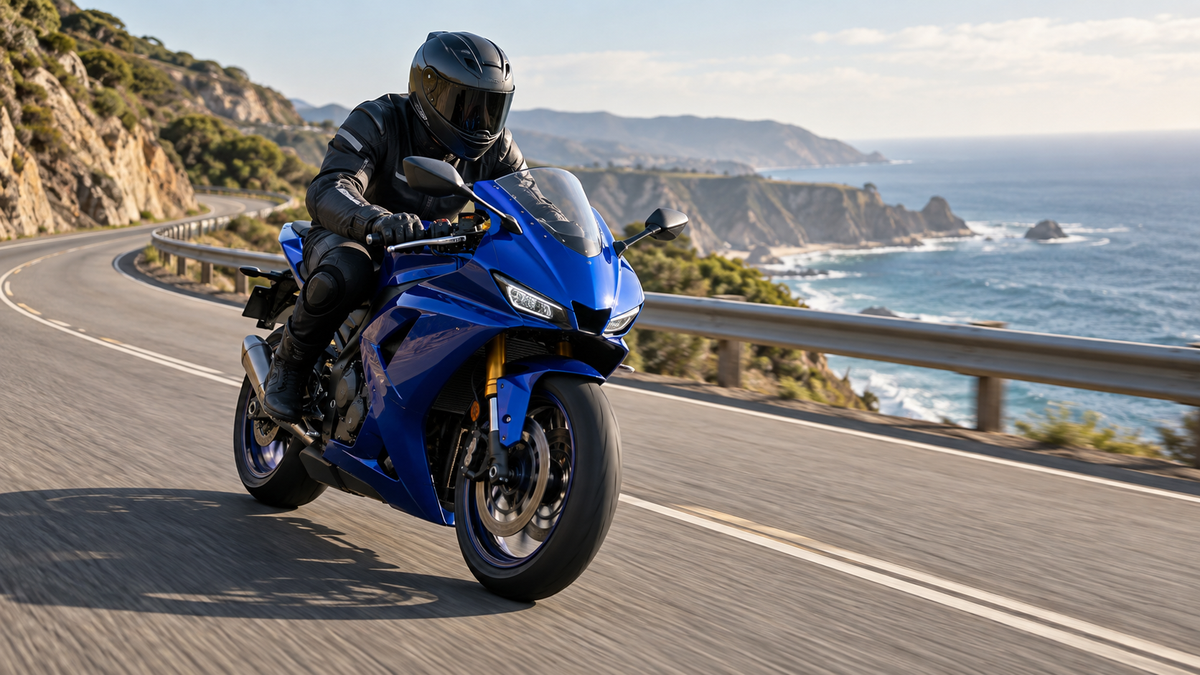
The Yamaha R3 2024 vs 2025 bodywork comparison is about more than paint: the US 2025 model introduces a new front fairing, side panels and tail. For a buyer, that raises two separate questions. Which complete motorcycle has the features you want, and which replacement panels are documented for the motorcycle you actually own? This guide uses official US model information for the first question and explains the evidence to request for the second. It does not establish a cross-year conversion or claim identical performance.
Key Takeaways
Separate a bodywork redesign from a new color or graphic scheme.
Use year-specific official descriptions to identify the complete motorcycle.
Do not assume lighting or cockpit equipment comes with a fairing order.
Similar engine specifications do not prove shared body panels.
Compare actual used-bike condition and itemized costs, not assumed discounts.
Describe your desired finish separately from the physical parts required.
Ask for application evidence before approving a replacement-panel order.
Check part numbers and seller SKUs; they are not automatically the same identifier.
Yamaha R3 2024 vs 2025 Bodywork: What Actually Changed?
Focusing on the US-Market Models
Model years 2024 and 2025, both sold in the United States
This comparison is limited to the US-market models described by Yamaha. A regional brochure, a registration date and a seller’s listing year can refer to different things. Confirm the motorcycle’s model year and market before researching parts. If identification documents conflict with a listing, resolve the discrepancy with an authorized dealer instead of choosing whichever year produces the most attractive search result.
Similar engine specifications do not prove shared parts
Both official US pages list a 321cc inline twin. That shared specification does not establish an identical frame, interchangeable parts, equal output or the same riding experience. We have not verified those broader claims. Keep the engine comparison separate from the exact panel application: a familiar engine size is not a mounting diagram.
Visual and Functional Differences at a Glance
New front fairing, side panels, and tail section on the 2025
The official US 2025 R3 features page describes the following selected updates. These are complete-bike features, not a list of items included in a replacement fairing kit:
New front fairing.
New side panels.
New tail section.
New single LED headlight.
Narrower seat and slimmer side covers.
Connected LCD/Y-Connect, USB-A and an Assist & Slipper clutch.
For comparison, the official US 2024 R3 page describes flowing R-Series bodywork, LED headlights with a central air duct, and a compact digital meter. This concise baseline is enough to distinguish a model update from a paint-only story without adding unverified measurements or compatibility promises.
Updated cockpit with connected LCD and USB-A port
When a whole-bike advertisement lists equipment, do not transfer that list into the description of a panel set. A photograph can show mirrors, lamps, instruments and bodywork together while the product being sold is only one exterior piece. Ask the supplier to name the actual items in the box and any assemblies you must retain or source separately.
What Similar Specifications Cannot Tell You
Do not infer identical output or riding feel
A feature page is not a back-to-back road test. The absence of an announced change does not prove identical output, acceleration or owner experience. Someone choosing a complete motorcycle should review the appropriate official specifications, condition and service information for the actual machines under consideration. This bodywork guide does not rank their performance.
Check running gear separately from bodywork
Suspension, brakes and wheels should be evaluated on their own evidence. Even apparently matching specification labels do not establish that every underlying part is shared. Do not use a claim about chassis similarity to approve a fairing order, or use a new fairing shape to claim that the entire chassis changed.
The practical distinction is simple: an appearance update can be confirmed without claiming that every part changed or that everything beneath it stayed the same. For a buyer, a careful comparison should narrow the questions to ask. It should not turn a short equipment description into an unsupported assurance about the whole motorcycle.

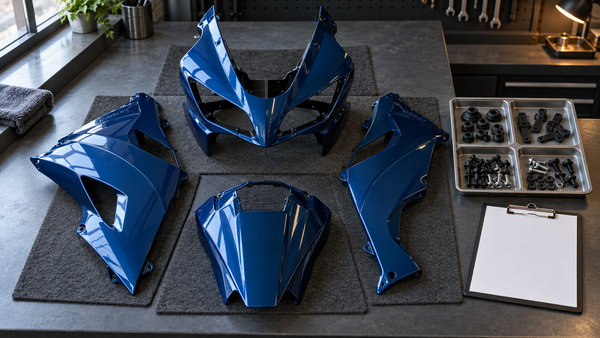
Separate complete-motorcycle preferences from a replacement-panel order. AI-generated concept, not an exact Yamaha model-year or fitment reference.
New Front Fairing and Lighting on the 2025 Yamaha R3
2024 Front Fairing: Lighting and Central Air Duct
Read the year-specific front-end description
Start with the official front view for the relevant model year, then compare it with photographs of the actual motorcycle. Look at the light opening, screen edge and surrounding trim. Avoid treating a low-resolution thumbnail or an edited promotional image as a parts diagram. Lighting descriptions from another market also should not silently replace the US description used here.
Identify the opening and surrounding pieces
An opening in a panel and an internal duct are not necessarily the same component. Ask whether the product is the painted outer piece, an inner assembly, or a group of parts. This helps prevent a familiar shape in a photo from creating the wrong expectation about what a replacement order contains.
2025 Redesign: Sharper Lines and New Single LED Headlight
Restyled upper fairing with a more aggressive silhouette
The verified lighting and styling changes above help explain why a year label matters. They do not show the rear face of a replacement panel or its attachment details. For a nose-panel order, request enough views to understand the piece and its interfaces with nearby trim. Do not approve a part because the paint resembles a newer model.
Keep aerodynamic claims separate from appearance
A sharp edge or a race-inspired surface does not establish a measured aerodynamic benefit. This article does not assign downforce, drag or stability figures to the bodywork. If a listing makes those claims, ask for evidence relevant to the exact product rather than relying on a description of a different complete motorcycle.
New Colors vs. Redesigned Bodywork
Color and graphics are separate from panel shape
A color scheme describes appearance; a panel application identifies the physical part. Keep those two pieces of information separate in a custom-order message. For example, you might want a blue-and-white design inspired by another motorcycle while still requiring the correct panels for your own year. Label the inspiration image as a finish reference, not as fitment evidence.
Verify the finish rather than assuming a color was discontinued
This guide does not claim that all older colors were discontinued or provide an unverified list of newer colors. For an original-finish replacement, use appropriate documentation and photographs of the surrounding panels. A color name on a website is not an exact screen-to-paint match. Ask how the supplier will confirm the finish before you approve the order.
Side Panels and Tail: Reading the Bodywork as a Whole
The side and rear views often answer questions that the front view cannot. A motorcycle may look convincing in one cropped image while a missing trim piece or an uncertain panel boundary remains out of frame. Request both sides and the rear when evaluating a complete set rather than filling those gaps with assumptions.
2024 Side Panels: Establish Your Starting Point
Record the current bodywork and its history
For an existing owner, photograph the motorcycle before discussing a refresh. Note known repairs, replacement pieces and non-original graphics. A previous owner’s modifications can complicate a year comparison. Describe what you know and what remains uncertain instead of presenting every visible item as the factory configuration.
Separate styling preference from condition
You may prefer one generation’s look without it being objectively better. Keep that preference separate from signs of damage, missing pieces or mismatched finishes. A buyer comparing two used motorcycles should not let a more fashionable color conceal a less complete or poorly documented bodywork assembly.
2025 Side Panels and the Seat Area
Look at interfaces between adjacent pieces
When you inspect a side-panel listing, identify the edges that meet other panels. Ask which adjoining pieces are needed and which are included. A complete-bike photograph can hide how the order is divided into individual parts. An itemized list and clear product photographs should describe the same scope.
Do not translate visual slimness into a fit guarantee
The seat-area update described by Yamaha is a complete-motorcycle detail. It is not a measurement of every replacement panel, a claim of lower weight, or proof that a loose part fits another year. If seat comfort matters to a whole-bike purchase, assess the actual machine with appropriate assistance rather than guessing from its profile.
2025 Tail Section: Identify the Exact Component
Distinguish exterior panels from lighting and accessories
“Tail section” can mean different things to different sellers. It may be used for painted bodywork, a seat cowl or a larger group of components. State the exact item you need, and ask whether lights, trim and fittings are included. Do not rely on a general family resemblance to another Yamaha model.
Check both sides of the proposed finish
A graphic that looks balanced on one side may not resolve the same way on the other. For custom paint, request views that show how the layout ends at the tail and crosses adjacent seams. This is an artwork check, separate from the confirmation of the underlying panel application.
Review the complete visual package
If your goal is a coordinated finish, compare the nose, sides and tail together before approving artwork. A full-set design and a one-panel repair create different matching problems. Neither should be approved from a single attractive crop. For a finish-focused project, the custom fairings page is a starting point for discussing the design, not a guarantee of current model-year availability.

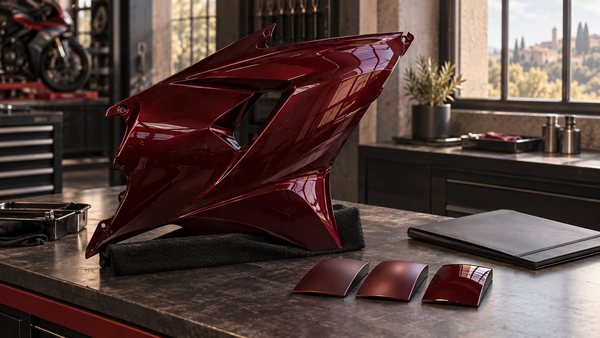
Check the seat and tail area as separate components. AI-generated concept, not an exact Yamaha model-year or fitment reference.
Cockpit Updates: Connected LCD and New Controls
2024 Cockpit: Compact Digital Meter
Use the instrument description as an identification clue
The older model’s official instrument description provides context for a complete-bike comparison. It is not evidence that a loose upper cowl or inner trim piece fits. When reviewing a seller’s photograph, first confirm that it shows the motorcycle relevant to the listing rather than an illustrative image from another year.
Check the equipment on the actual motorcycle
An owner may have added accessories after purchase. Conversely, a used listing may omit details that matter to you. Ask for the actual equipment list and supporting photographs instead of making absolute assumptions from the model year alone. Any electrical modifications should be assessed separately from a cosmetic panel order.
2025 Cockpit: Connected Features and Clutch Update
Connected LCD with Y-Connect smartphone app compatibility
Yamaha’s listed connected features belong to the complete motorcycle. If they matter to your purchase, consult the official guidance for the correct market and device requirements. Do not assume a replacement instrument surround includes a display or enables phone functions. A panel supplier should describe the exterior item it sells without borrowing unrelated equipment claims.
USB-A: confirm the relevant operating limits
Do not assume a USB connection can power every accessory or heated garment. Check the motorcycle documentation and the device’s requirements. This article does not specify an unverified socket location or electrical output. Charging accessories and wiring are outside the scope of a fairing-fitment comparison.
Assist & Slipper clutch is not a bodywork feature
The clutch update belongs in a whole-bike equipment decision, not a painted-panel specification. It does not prove a handling advantage for an aftermarket kit or remove the need for correct riding technique. Use the appropriate owner and service information for operation and maintenance rather than treating a buying guide as instructions.
How the Cockpit Redesign Affects the Rider
Decide which features matter to your use
Make a short list before comparing listings: desired riding features, cosmetic preferences and the maximum scope of the project. Keeping these separate prevents a bodywork refresh from expanding into an unplanned equipment conversion. If the feature you want is part of a different motorcycle, evaluate that purchase on its own merits.
Do not assume identical ergonomics
This article does not establish identical handlebars, footpeg positions or rider posture between the two years. A familiar engine size does not resolve those questions. Assess comfort on the actual motorcycle and use year-specific documentation where exact dimensions matter. Pictures of a fairing set cannot answer how the seat and controls suit an individual rider.

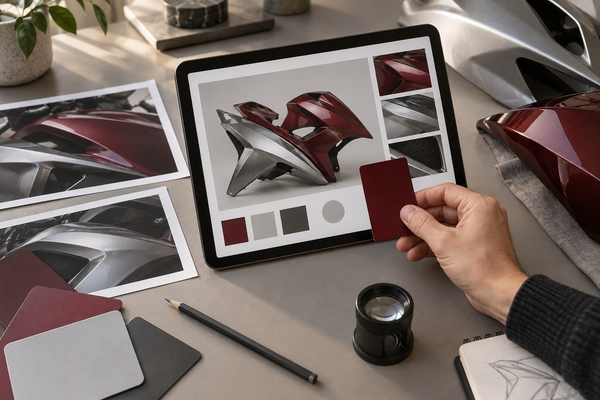
Review equipment requirements before making a buying decision. AI-generated concept, not an exact Yamaha model-year or fitment reference.
Buyer Implications: Choosing the Right Yamaha R3 Bodywork
Should You Buy a 2024 or 2025 Model?
2025 offers fresh design and modern cockpit tech
The documented newer equipment may be relevant if you are choosing a complete motorcycle. Decide which features you would actually use, then compare real listings and dealer information. If you already own a machine and mainly want a different appearance, first define that cosmetic project without assuming it requires a different model year.
Evaluate an older motorcycle on condition and total cost
Do not assume an older-year bike is discounted, equally reliable or identical in performance. Compare the particular motorcycles: their documented condition, service history, missing parts and quoted costs. A cheaper asking price can be difficult to interpret without knowing what work is required. Keep that assessment separate from whether you prefer the bodywork styling.
Do not treat a redesign as a resale guarantee
A redesign alone does not establish future resale value. This guide does not forecast a premium for either year. Consider your budget and the use you expect from the motorcycle instead of relying on an unsupported prediction. For a bodywork order, evaluate the actual scope, finish expectations and supplier terms rather than an assumed effect on resale.
Can You Swap Bodywork Between Years?
Official redesign does not guarantee interchangeability
We have not verified cross-year interchangeability for these panels. A redesigned appearance does not by itself prove that every part fits or that none can fit. Require evidence for the exact component and application. A general “R3” category or a shared engine size is not sufficient confirmation in either direction.
Verify attachment details instead of guessing
Do not infer new mounting points simply because the outer surface changed. Ask for an appropriate parts reference or documented application for the item being sold. If the answer requires altered mounts, electrical changes or improvised fittings, pause and obtain qualified application-specific advice. This article is not a conversion procedure.
Ask suppliers about confirmed coverage
You can browse Yamaha fairing options or use the NiceFairings contact page to ask about an exact year and model. An inquiry does not establish availability. Request written confirmation of the supplied parts, application, finish and exclusions before ordering; do not assume a supplier will add a particular model in the future.
How to Identify and Order Year-Specific Panels
Use appropriate parts references alongside photographs
A parts diagram is an identification aid, not necessarily a photograph or an installation guide. Use the correct market and model-year reference, with dealer assistance if required. For your own photographs, the replacement fairing photo checklist helps you show the whole bike, the requested component and its surrounding context. Label styling inspiration separately from those identification images.
Cross-reference part numbers; do not rely on visual similarity alone
Cross-reference a genuine part number where applicable, but ask what a seller’s internal SKU represents. Keep the listing, application confirmation and agreed parts list together. If an unmodified part does not align during an appropriate preliminary check, stop and document the mismatch. Do not force, drill or cut it to resolve an uncertain application; follow the correct service guidance and seek qualified help when necessary.

Use clear component records when requesting application confirmation. AI-generated concept, not an exact Yamaha model-year or fitment reference.
The useful outcome of a year comparison is a better-informed buying decision. Separate the official whole-bike updates from the exact parts you intend to order, and separate both from the finish you prefer. A coordinated custom design may address an appearance goal, but it does not add another model’s equipment. All images here are AI-generated editorial concepts, not verified photographs of the two model years or products offered for sale. Use official documentation and actual supplier evidence for identification and application.