The bike is on its side and the new paint is scraped. It is natural to feel embarrassed, especially if the motorcycle is your first. The next decision, though, is not whether you deserve a fresh fairing kit. It is whether you are hurt, whether the motorcycle can be moved safely, and what needs an actual inspection before another ride. A tip-over at walking pace can leave little more than a mark, but speed alone cannot clear a brake, throttle, wheel, case or mounting point. This guide separates those questions so the visual damage does not control the whole conversation.
This is general guidance for a U.S. rider, not a remote diagnosis of an individual motorcycle. It does not use forum votes as evidence that everyone drops a first bike. You may be shaken; that is enough reason to pause, call someone you trust and take your time. You do not owe an audience an immediate “back in the saddle” photograph.
Start with people and the scene, not the paint
If anyone may be injured, seek appropriate help. If the bike is in traffic, follow local safety procedures and ask for assistance rather than trying to lift it while exposed. Turn the engine off when safe to do so; do not touch hot components or work near leaking fuel. A heavy sportbike can fall again during an improvised lift. If you are unsure how to move it, wait for qualified help. There is no shame in arranging transport instead of riding home.
Once it is stable, make a short record: where it fell, which side contacted the ground, whether it was stationary or moving, and what you can actually see. Photograph the whole bike from both sides before close-ups. Include the lower fairing, mirror, bar end, lever, foot control, engine cover and rear end on the contact side. Use natural light when possible. “The left cowl has a scrape” is a useful observation. “Only plastic was damaged” is a conclusion you cannot reach from that photograph alone.
Do not start the engine just to reassure yourself that the bike is fine. A motor that runs is not proof the steering, braking, throttle or fluid systems are sound. The Motorcycle Safety Foundation's T-CLOCS checklist names the major systems to examine, including controls, wheels, brakes, fluids and chassis. It is a pre-ride aid, not a crash-inspection certificate. If the event was more than a harmless stationary tip, or you cannot confidently assess what contacted the ground, a competent motorcycle shop is the next stop.
Identify stop-use signs before you price a fairing
Look for fuel, oil, coolant or brake-fluid leaks. Check whether a case cover is cracked, a lever is broken, a footpeg or bracket is loose, or a mirror or indicator could detach. The throttle should move freely and return as the maker specifies; a sticking throttle is not a cosmetic inconvenience. Steering must not bind or unexpectedly pull a cable. A bent wheel, visibly damaged tire, brake concern or fork issue needs professional evaluation. Do not ride to “see if it feels normal” when a safety-critical item is suspect; use transport.
The painted shell matters too. A cracked tab may leave a panel flapping into a tire or hot exhaust. A shifted upper cowl may interfere with the steering sweep or lamp aim. A scratch on a securely mounted surface and a loose fairing near a moving part are different problems. Take one photograph from far enough away to show the whole assembly and another of the exact fastener or gap. That pair is far more useful to a shop or supplier than a glamour close-up of the scrape alone.

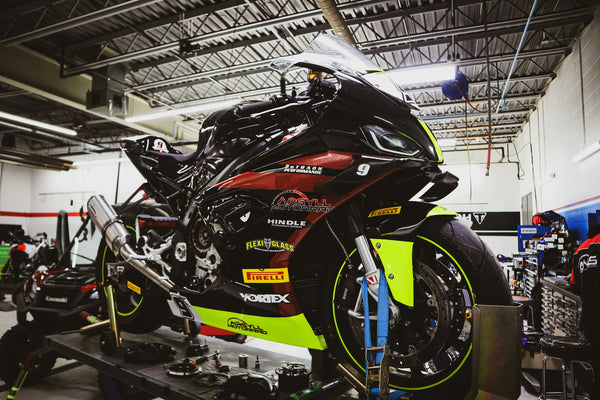
A real NiceFairings production detail shows why a mounting point deserves its own close-up. It is not a photograph of this rider's bike, evidence of crash damage, or proof that a selected kit fits a particular model.
If a professional finds a problem, follow the repair plan for your exact motorcycle and keep the invoice. Avoid turning a generic internet suggestion—bend a bracket back, add washers, file a hole—into a safety procedure. The same impact can leave different consequences on different bikes. The already-published after-a-drop panel list helps organize the bodywork part of the job; it is not a substitute for checking the underlying motorcycle.
Give yourself three honest options for the cosmetic damage
Once the bike has been cleared for use, you can leave a sound scratch alone, repair an individual piece, or replace some or all of the painted bodywork. None is the mature choice for everyone. A shallow mark in clear coat might respond to a professional finish assessment; a deep gouge into plastic will not vanish through polishing. A cracked or missing mounting feature calls for a component-level repair or replacement decision, even if the painted outer surface looks acceptable.
Leaving a cosmetic scratch for now can be sensible when money or attention is better spent on training, protective equipment or maintenance. It does not mean you have given up on the motorcycle. Replacing immediately can also be reasonable if the panel is structurally unsound, the design matters to you, or you need a coordinated set for other damaged pieces. What should not happen is ordering a full kit because you feel embarrassed before confirming whether the mounting points and adjacent trim are intact.
Ask a repair shop for a realistic local refinishing estimate if the panel can be retained. Compare that with an original replacement part and with an aftermarket set only after you know which pieces are actually damaged. A full kit can change the bike's look, but it is not automatically the cheapest path for one abrasion. If the motorcycle is insured, ask the insurer what the policy covers before removing or discarding evidence. Coverage and claims consequences depend on your policy and location; a blog cannot calculate them for you.
Buy for your motorcycle, not for the feeling of starting over
NiceFairings lists model- and year-specific options, including Yamaha R3 fairings and Honda CBR500R fairings. These are browsing routes, not a promise that any pictured kit fits every R3 or CBR500R generation. Verify the model and year from the bike's documents, then compare the exact product's year range and photographed panel shapes. If a previous owner changed the nose, lights or brackets, disclose that before ordering.
Write down what must be included: the scratched panel, adjacent painted pieces if you want a uniform finish, inner trim, screen, tank cover, brackets, rubber pieces and fasteners. Ask which items come in the selected offer and which originals must be reused. A cosmetic tank cover is not a fuel tank. A product photograph does not establish that a missing motorcycle-side bracket ships in the box. Keep the damaged originals until the new parts have been checked and fitted; they can help identify fastener locations and provide a record of the event.
The R3 parking-lot drop article is a useful example of looking behind the painted surface, but its exact mounting details are not a template for a Ninja or CBR. If your bike is a Ninja 500, be particularly careful with product names: “Ninja 400” and “Ninja 500” are not interchangeable fitment claims merely because the machines look related. Request a written match for the actual model year and configuration. If the listing does not support that match, do not solve uncertainty by enlarging a hole or forcing a panel.
Recover riding confidence without making the scratch a verdict
The drop is an event to understand, not an identity. Write down the exact situation: the turn, surface, visibility, speed, clutch or brake input, passengers and whether the stand was involved. Avoid a single dramatic explanation such as “cold tires caused it” unless evidence supports it. A rider coach can help you practice slow-speed control and stopping technique in a safe setting. The MSF Basic RiderCourse is one structured way to learn and receive feedback; a licensed local course may offer a similar route.
If the motorcycle and rider are ready, return at a comfortable pace. A parking-lot exercise is not a test of courage and need not happen on the same day. If you are still shaken, the safer decision may be to go home and rest. Talk through the incident with a trusted instructor or experienced rider who can separate a controllable technique issue from a surface or mechanical issue. Do not let an online comment pressure you into riding a machine that has not been checked.
Protection accessories deserve the same skepticism as fairings. A frame slider can affect which parts contact the ground, but no slider guarantees that plastic, engine cases or mounts will survive a fall. A particular installation may require cutting the fairing. Review the exact accessory and mounting plan, then decide whether the cost and irreversible change make sense for your bike. Buying a “drop-proof” story is not a substitute for skill or inspection.
Keep a short record you can use later
Save the first photographs, the shop's findings, receipts, product page and any new panel's part or design number. If you later sell the motorcycle, disclose what you know without claiming the new paint proves an untouched machine. Our bodywork-history packet explains how to do that plainly. If you keep it, those records are useful when another mechanic needs to know what was changed.
The useful ending is not “the bike looks as if nothing happened.” It is that you and the motorcycle were assessed, the safety questions were answered, the cosmetic work was chosen deliberately, and you learned what you can. A first drop need not define your riding. A fresh fairing is an option when the underlying bike is ready—not a requirement for moving forward.
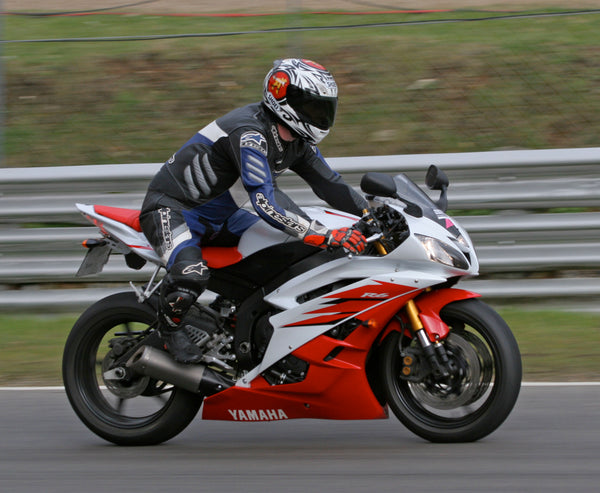
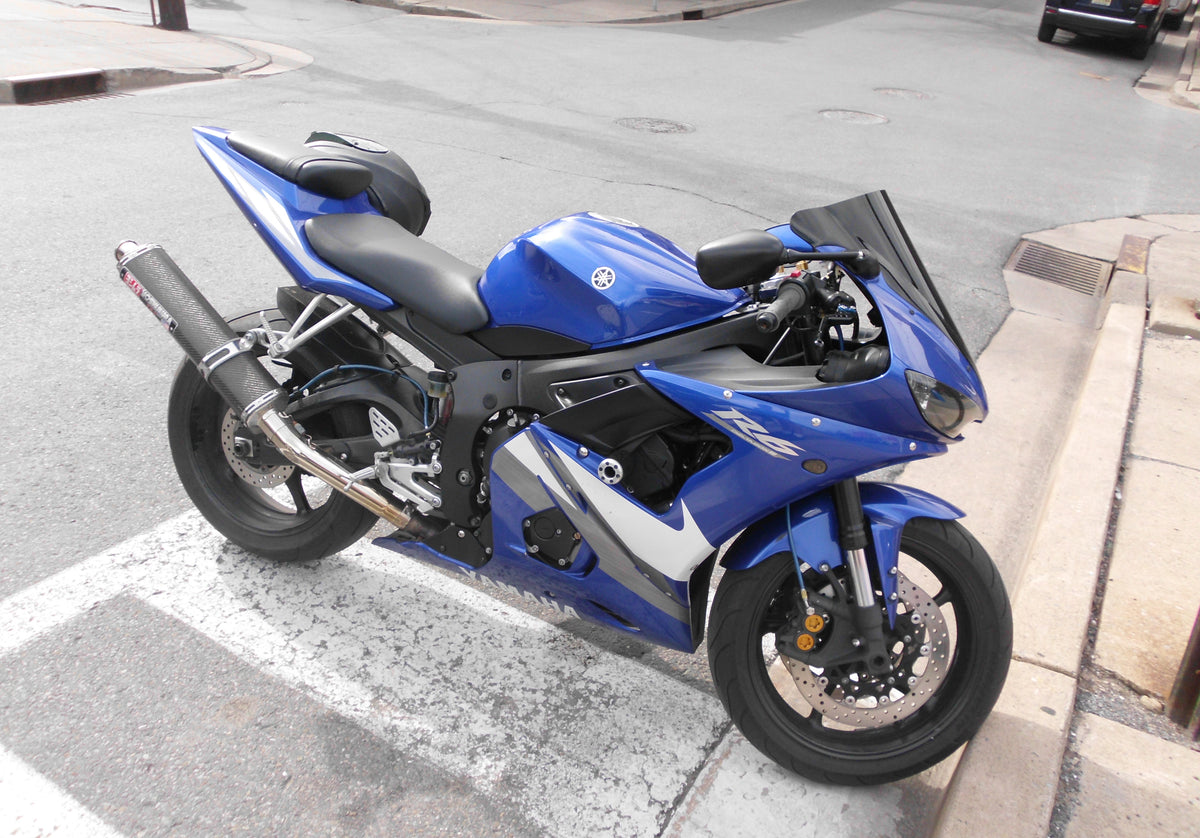
Cover photograph: a real Yamaha YZF-R6 parked on a public street, by Alpacaaviator, CC BY-SA 4.0. It is an editorial illustration of a fully faired sportbike, not the incident in this article or a NiceFairings product. The original photograph is used without a generated motorcycle or fabricated damage.
Editorial note: No forum anecdote in the supplied outline is presented as a verified customer case or incidence rate. This article does not diagnose a crash, promise fitment or tell a rider to continue on an unsafe motorcycle.