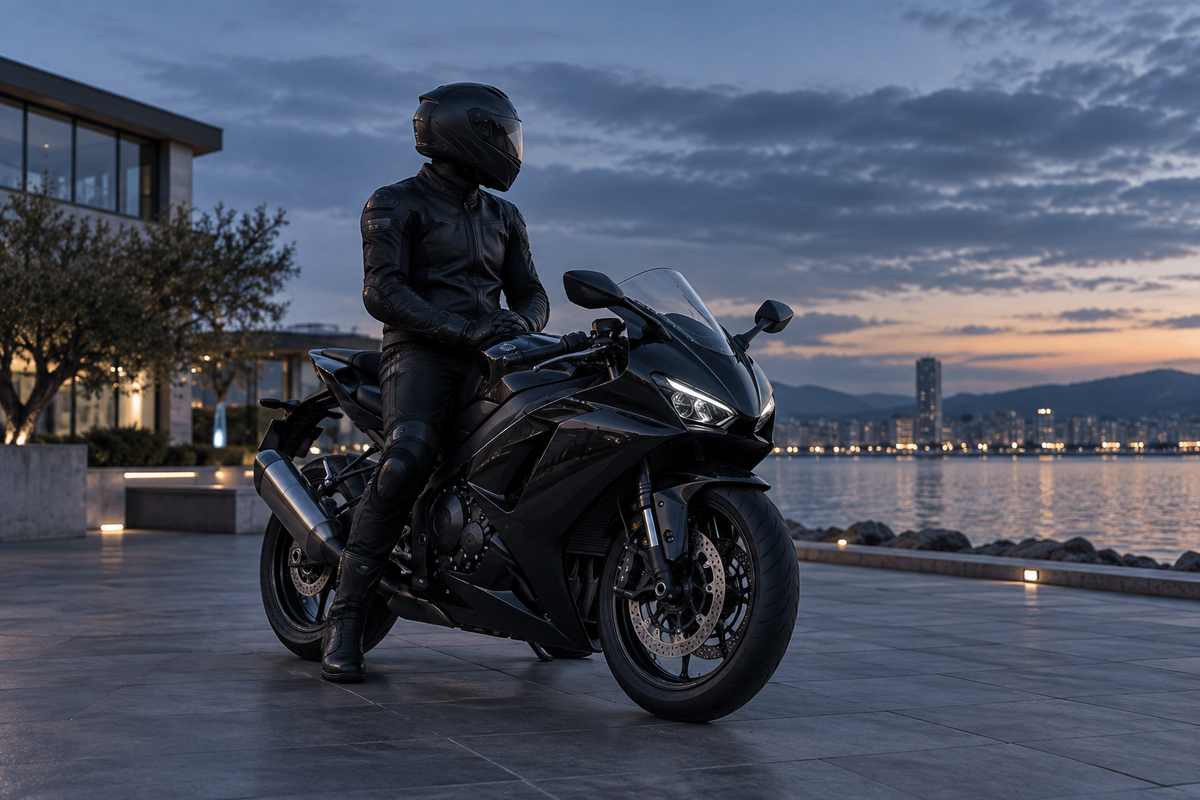
The NiceFairings P119 black GSXR600 GSXR750 K6 fairing kit offers two selection routes: choose a currently listed numbered paint option or ask about a custom design. A numbered option gives you a reference to discuss; it does not guarantee identical color across later orders. A custom request lets you describe a different scheme, subject to feasibility and approval, rather than promising an exact paint match. Compare both routes with the tank, wheels and other parts you intend to retain, then record the option and any agreed changes before ordering.
Either route may suit your project once its details are confirmed. Save the selected option or custom brief, the listing URL and the date you reviewed it. That record helps catch misunderstandings; it does not eliminate every fulfillment risk. Review the actual product and supplier confirmation together before committing.
Key Takeaways
-
Write down your paint choice before you order. Save the option number or your custom brief.
-
Check your tank and wheel colors. The fairing must work with what stays on your bike.
-
Numbered options identify the currently listed design. Save the corresponding image and date; later availability or identical paint is not guaranteed.
-
Custom requests let you propose colors or graphics for the supplier to assess. Agree the feasible design and the limits of color matching before approval.
-
Take a photo of the option image on the product page. Screen colors may not match real paint.
-
Ask for written confirmation of the custom request and any changes so that both parties can review the same specification.
-
Review your order summary and checklist before paying. Catch errors early.
Understanding the P119 Black GSXR600 GSXR750 K6 Fairing Kit
The P119 listing covers a made-to-order, custom-painted ABS bodywork set for the 2006-2007 Suzuki GSX-R600 and GSX-R750 (K6). You order it through the product page at NiceFairings P119. The page offers Paint Design NO.1 through NO.9 plus a Custom Design path. Treat this as a paint-selection decision, not a generic parts purchase.
Scope of the P119 Kit
Included Components vs. Retained Parts
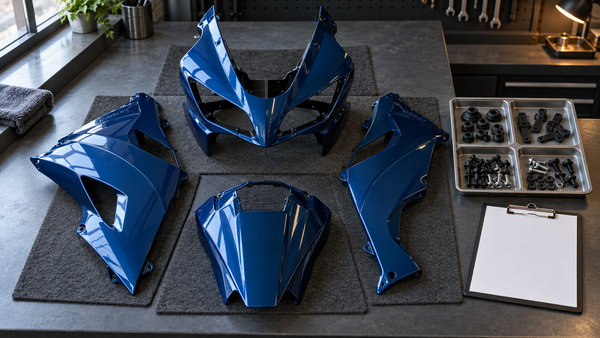
The listing describes typical components rather than a universal fixed inventory. Confirm the panels, trim and any hardware included in your particular order. A cosmetic tank cover is not a fuel tank, and a bodywork listing should not be read as including wheels or unrelated motorcycle components. Make a separate list of what you intend to retain or change elsewhere in the project. The kit contents checklist helps organize those questions.
Material Context: ABS Construction
The listing identifies the bodywork as ABS plastic. That is a base-material description, not a carbon-fiber construction claim or a certification of every aspect of the completed installation. Confirm the specific finish and application separately. In this article, ABS refers to the plastic material, not a competing fairing brand.
The "Black" Base and Paint Design Options
Distinguishing Base Color from Paint Scheme
The title places this product in a black-based design family, but the title alone does not establish the appearance of every selectable option. Review the current image associated with Paint Design NO.1 through NO.9. Confirm any unclear selection-to-image relationship with the supplier. Do not invent which option has a particular accent or assume that a number used on another listing means the same design.
The Role of the Listing Image
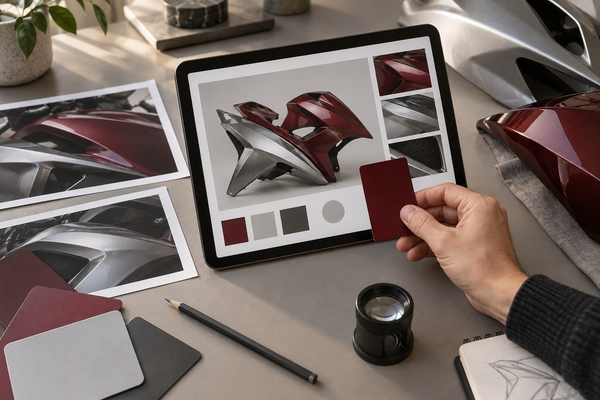
Review the product image associated with the exact selected option. If the displayed image or selection state is ambiguous, ask the supplier to identify it. Do not use a generic AI try-on preview as an actual P119 product photograph or GSX-R fitment reference. Screen rendering also cannot establish an exact paint color. For a proposed change, the custom-order guidance explains what information to supply.
When you choose a black GSXR600 GSXR750 K6 fairing kit, record the exact option number or custom brief. This step keeps your order accurate. If you have questions about the process, the FAQ page covers common topics. A black GSXR600 GSXR750 K6 fairing kit gives you a defined starting point. Your job is to pick the right design and confirm it in writing.

Comparing Numbered Paint Options as Listing References
Numbered selections give you a fixed reference point. Paint Design NO.1 through NO.9 each point to one specific image on the product page. That image shows the scheme tied to that number. You pick a number, you save that number, and you keep a record of the date you chose it. This approach suits riders who want a defined look without writing a custom brief.
Benefits of Numbered Selections
Saving a Reference for Later Questions
A numbered option acts as a label for a listing design. It does not promise that the paint will match forever. It gives you a clear name for the scheme you selected. If you need to discuss your order with the supplier, you can say "NO.4" instead of describing colors from memory. Save a screenshot of the option image and note the date. That record helps you compare later if the listing changes. Reordering is easier when you have this written reference. You still must confirm the current image matches your saved copy before you buy again.
Comparing Saved Options Across Orders
If you are comparing saved options or planning more than one order, keep the exact listing, selected number, image and date together. A number is a reference within that listing, not a cross-model color code. A later listing update or production run may differ. Ask the supplier to confirm the current design and any important matching requirement instead of assuming that repeating the number guarantees an identical result.
Evaluating Numbered Options Correctly
Inspecting the Specific Image for Each Number
Select an option and check the image the page associates with it. Study the overall scheme, accent areas and any available additional views. If changing the selector does not make the association clear, pause and ask for confirmation. A generic preview at the bottom of a page is not a substitute for the actual option photograph. Keep the image with your option record rather than relying on the product title alone.
Verifying the Option Against Retained Tank Color
If you plan to keep the current tank finish, compare it with the intended fairing scheme. The bodywork kit is not a fuel-tank replacement; confirm whether any cosmetic cover is included. Reviewing a screen image alongside the bike can help judge broad contrast and layout, but not an exact paint match. Decide whether you want a coordinated color family or an intentional contrast, and ask about an agreed color reference if matching matters.
Limitations of Numbered Selections
Lack of Flexibility for Unique Branding
A numbered selection refers to the listed design. If you want a change, do not assume a note automatically alters that option. Ask the supplier whether the change is feasible and how to record it—such as through Custom Design or another explicitly confirmed process. A personal number, original motif or different accent can be proposed, but feasibility and the final approved scope still matter. Use graphics you own or are authorized to reproduce.
Potential Variance Between Screen and Physical Paint
Your monitor does not show paint. It shows light. Two screens can display the same image with different color tones.
This is the core risk with any online paint selection. The physical paint may look different from what you saw on screen. Brightness settings, screen type, and room lighting all affect how you perceive the image. Treat the option image as a guide, not an exact standard. If color accuracy matters to you, ask the supplier about the actual paint before you commit.
When you choose a black GSXR600 GSXR750 K6 fairing kit, the numbered path offers a simple, documented selection. You get a defined design and a clear reference for your records. You do not get a promise of perfect color matching or fleet-wide uniformity. For unique needs, review the custom fairings page. For common questions, check the FAQ. You can also revisit the P119 product page to compare each numbered image side by side before you decide.
Exploring Custom Requests for Unique Requirements
A numbered option works well when a design on the list already matches what you want. Sometimes it does not. Your tank may have a factory color that no numbered scheme goes with. You may want a certain stripe layout, a race number, or a two-tone split that no standard option shows. In those cases, the custom design path on the P119 product page becomes your route. This path lets you describe what you want instead of picking from a fixed set.
When to Submit a Custom Design Brief
Matching Specific Non-Standard Tank or Wheel Colors
Your fuel tank and wheels stay on the bike. The kit does not replace them. A custom brief lets you describe those colors you are keeping and ask the supplier to work toward them. Suppose your tank has a deep metallic finish that no numbered option reflects. You can note that finish in your request. The supplier then checks whether the paint shop can come close to it. This is a request, not a guarantee. The final result depends on what is possible and what gets approved.
Incorporating Unique Graphic or Color Combinations
You might want a personal number, an original stripe or a different accent arrangement. First check whether a currently listed option already provides the desired layout. If not, describe the proposed change and ask the supplier how it should be ordered. A custom brief communicates intent; it does not guarantee that every proposed placement, finish or graphic can be produced.
The Process of Submitting a Custom Request
Providing Clear Color References or Codes
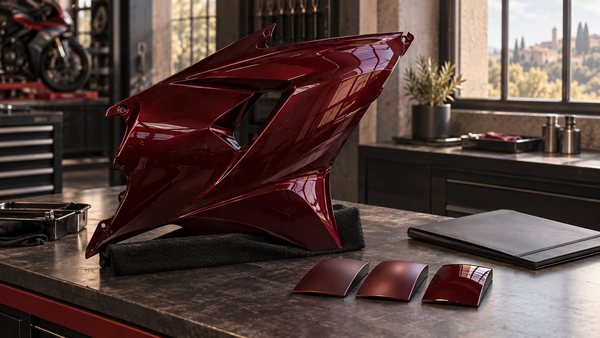
Vague color words can be interpreted differently. Identify any known paint reference and the desired finish, and provide contextual photographs with their lighting conditions. Ask whether the supplier can use that reference or provide a relevant sample. A code alone does not guarantee the same appearance on a different substrate or beside aged paint. The custom fairings page outlines the information to send; agree the practical limits before approval.
Requesting Supplier Confirmation of Feasibility
Always ask the supplier to confirm your request before you order. Send your brief and wait for a written response. The supplier will tell you what the paint shop can and cannot do. Some color combinations may not be feasible. Some graphic placements may need adjustment. This confirmation step protects you. It also gives you a written record of what both sides agreed to. Do not assume your request will be accepted exactly as written.

Risks and Considerations for Custom Orders
Potential for Misinterpretation of Color Descriptions
A color word is not a color. It is a label that each person fills with their own mental image.
This is the central risk of any custom request. You describe a color. The supplier reads your description and forms a different picture. The paint shop then mixes based on that second picture. The result may not match your original vision. Reduce this risk by using codes, swatches, and photographs. Ask the supplier to repeat back their understanding of your request. Correct any gaps before production starts.
Confirmation Steps and Timing
A custom request may involve a brief, feasibility discussion, revisions and approval. A numbered option still needs the correct application and order details confirmed. Ask which stage your order is in and what starts the production estimate. Custom work is not automatically slower than every numbered option, and approval does not promise that manufacturing begins instantly. Keep pre-confirmation time separate from the supplier’s estimated production and shipping windows.
A custom request gives you a way to propose a design beyond a currently listed selection. The supplier’s capabilities and your approved specification define the result. Compare the communication required with the convenience of an existing option, without treating either route as a guarantee of perfect color or easier installation. Then save the agreed choice and the exact order references.
Coordinating with Retained Tank and Wheel Colors
For this decision, list the tank, wheels and other colored components you intend to retain. They are not replaced merely by choosing a painted bodywork kit. If your wider project also changes a tank cover, wheels or another surface, note that separately. Decide how the fairing color should relate to the actual finished configuration, not an assumed list of unchanged parts.
Assessing the Existing Color Palette
Documenting the Exact Tank and Wheel Finish
Record the tank and wheel finish as accurately as you can. Note known color codes, visible effect finishes and gloss level, but mark anything uncertain. Photograph the parts in consistent light and retain the original images. That record helps communicate a color direction; it does not certify a paint formulation or turn a photograph into a precise physical color standard.
Evaluating Contrast or Complement with Fairing Options
You do not need the fairing to match the tank. A deliberate contrast can look sharp. A black tank with a white or silver accent scheme creates a clean split. A matching scheme gives a unified look. Decide which direction you want before you browse options. Open the P119 product page and hold each option image next to your tank photos. Ask yourself if the combination feels intentional.
Coordinating Fairing Choice with Retained Parts
Selecting a Numbered Option that Blends or Contrasts
Review each numbered image with your tank and wheel colors in mind. Some schemes may blend naturally with a black tank. Others may create a strong contrast. Neither choice is wrong. The key is to make the decision on purpose. Save the option number and the image that convinced you. That record keeps your order accurate.
Designing a Custom Request to Bridge Color Gaps
No numbered option may fit your tank color. A custom request lets you describe the gap and ask the supplier to close it. Suppose your wheels have a specific bronze tone. You can note that tone in your brief and ask the paint shop to work toward it. Visit the custom fairings page to review how this process works. The supplier confirms feasibility before production starts.

Avoiding Assumptions About Part Inclusion
Confirming Which Parts Are Not in the Kit
The kit does not include every painted surface on your bike. Your fuel tank stays. Your wheels stay. Check the listing for the typical parts and confirm your specific order. Ask the supplier about any piece you are unsure of. This step can help identify misunderstandings before dispatch.
Planning for Color Transitions at Mounting Points
Think about where the fairing meets the tank and other retained parts. A color change at those joints can look intentional or accidental. Study the option image at those transition areas. If the joint looks wrong, consider a different number or a custom brief. The FAQ covers common questions about kit contents and paint options. Record your final choice for your black GSXR600 GSXR750 K6 fairing kit before you order.
Recording the Exact Option Before Ordering
Documenting the Selection Details
Recording Model, Year, and Listing URL
Record the exact model and year, plus any relevant bodywork changes. The P119 listing states GSX-R600 and GSX-R750 applications for 2006–2007. Confirm the specific application and current configuration with the supplier rather than using the K6 shorthand alone to infer interchangeability. Save the actual listing URL and selected option so that the question concerns one identifiable product.
Store this information in a note on your phone. Keep it apart from other bike notes. Do not trust your memory. A written record removes guesswork. You will look at it during the checkout process. If you have questions, the FAQ page covers model compatibility and ordering steps.
Capturing the Exact Option Number or Custom Brief
Write down the exact option number if you pick a numbered design. For example, "Paint Design NO.4" belongs in your record. Save a screenshot of the option image from the product page. The date you captured it matters. The listing may change later, so your screenshot keeps what you saw.
If you pick a custom brief, record every detail. Include color codes, graphic placement instructions, and any reference images. Visit the custom fairings page to review the request format. Save all messages with the supplier. This written trail protects your order and makes sure both sides share the same understanding.
Verifying Supplier Confirmation
Saving Written Confirmation of Custom Requests
Send the brief through the supplier’s stated contact route and request written confirmation of feasibility and the agreed specification. Save the relevant message with the artwork version and order details. Written records reduce ambiguity, but this guide does not determine their legal effect or guarantee a particular outcome. Resolve unclear answers before approving production.
The confirmation may include changes to your original brief. The supplier may suggest a different approach for feasibility reasons. Review these changes carefully. Accept them only if they match your vision. Ask questions if anything seems unclear before you approve the final plan.

Cross-Checking the Final Order Summary
Before you finish your purchase, review the order summary on the checkout page. Confirm it lists the same model, year, and paint option you recorded. Check for any extra fees or missing items.
After you place the order, the supplier sends a confirmation email. Save this email. It contains your order number and a summary of what you ordered. If anything looks incorrect, contact the supplier right away. Do not assume errors will fix themselves.
Final Pre-Order Checklist
Reviewing Retained Color Compatibility
Before you click the order button, review your tank and wheel colors again. Place your chosen option image next to a photograph of your bike. Ask yourself if the colors work together. If you feel uncertain, revisit the P119 product page and compare other options.
A deliberate choice can reduce avoidable disappointment. Decide which retained parts should match, coordinate or intentionally contrast with the new panels. If no numbered option suits that goal, ask about a custom request without assuming the supplier can close every color difference. Review the proposed solution and its limitations before approval.
Confirming the Recorded Option Matches the Intended Design
Check your records one final time. Does the option number or custom brief match what you intend to order? Review the screenshot. Read your notes. Cross-reference with the product page. This step catches simple mistakes before they become problems.
The current production and shipping guidance estimates fifteen to twenty-five business days for production after application and design confirmation, followed by an estimated ten to twenty business days for shipping after dispatch. These are not guaranteed arrival dates. Ask about the actual order stage and allow for confirmation time and possible delays. Finished photos may be provided where possible, but they are not guaranteed. Keep the confirmed specification as the reference for what was ordered.
For this black-based GSX-R600/750 listing, compare the currently numbered design with a custom request according to the appearance you want and the information available. A number identifies an option; a custom brief proposes a change. Neither route guarantees exact color reproduction. Keep the retained parts and the full approved specification in view when deciding.
Write down your exact choice before you order. Note the option number or save your custom brief. Check this choice against the tank and wheel colors on your bike. This step helps catch misunderstandings.
Before buying, reopen the P119 product page and check the selected option against your saved image and notes. Review the custom-order process if changes are involved, and resolve remaining questions through the FAQ and supplier contact process. Accurate ordering helps preparation but does not prove physical fit or promise a smooth installation.
FAQ
How do I know which numbered paint option matches my bike?
Open the P119 product page and click each number. Every option has its own image. Study the scheme tied to that number. Do not assume two numbers look alike. Save a screenshot of your choice.
Can I request a custom color that is not in the numbered list?
Yes. The listing includes a Custom Design path. You describe your colors, graphics, and layout. The supplier reviews your brief and confirms what is possible. Visit the custom fairings page to review the request process before you submit.
What if my tank color does not match any numbered option?
A custom request lets you describe your tank finish and ask the supplier to work toward it. You can also pick a numbered option that creates a deliberate contrast. Either way, photograph your tank in daylight and compare it against the option image before you order.
Does the kit include a new fuel tank or wheels?
No. Your fuel tank and wheels stay on the bike. The kit covers painted bodywork only. Kit inventory varies, so confirm which pieces your order includes. Check the listing and ask the supplier about any part you are unsure of.
How long does production and shipping take?
Current NiceFairings guidance estimates fifteen to twenty-five business days for production after application and design confirmation and ten to twenty business days for shipping after dispatch. These are estimates, not guaranteed arrival dates. Check the current production and shipping page and ask about your order’s actual stage.
Will the paint match exactly what I see on my screen?
Your screen shows light, not paint. Brightness settings and screen type affect color appearance. Treat the option image as a guide, not an exact standard. If color accuracy matters, ask the supplier about the actual paint before you commit.
Can I get finished photos of my fairing before it ships?
Finished photos can be provided whenever possible. They are not guaranteed. Your written order details remain the primary reference for what you selected. Save your option number or custom brief and cross-check it against the final order summary.
What should I record before placing my order?
Write down your model year, the listing URL, and the exact option number or custom brief. Save screenshots and supplier messages. Review your tank and wheel colors one final time. Confirm everything matches your intended design before you click the order button.