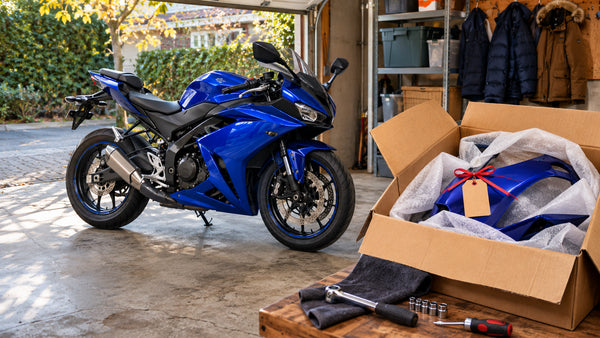
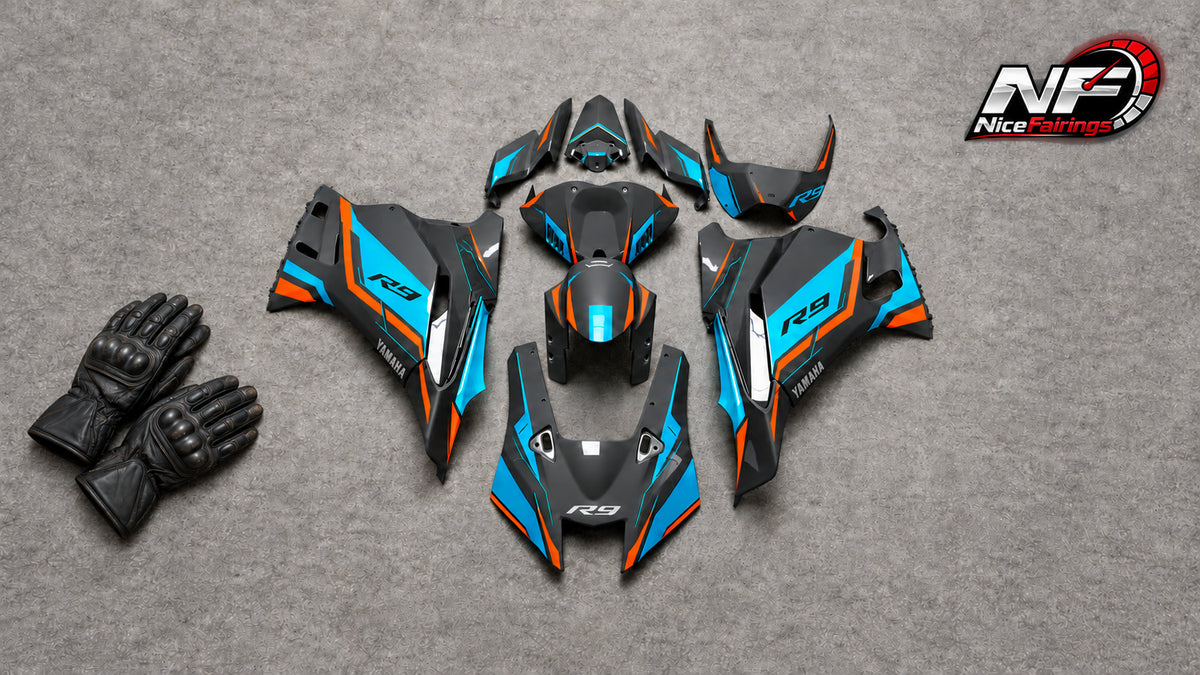
Cover: a NiceFairings R9 fairing kit shown in an edited presentation image. Coverage depends on the applicable policy, not the product pictured.
You have finally chosen the colors, checked the fitment and installed the panels. Before the first ride, there is one less exciting question worth asking: if those custom fairings are damaged or stolen, does your motorcycle policy actually account for them?
The answer is not a simple yes or no. The same replacement bodywork might be treated differently depending on your insurer, policy, location, and whether it replaces a stock part or adds a custom finish. A receipt and a photograph are useful, but neither creates coverage on its own.
This guide is a starting point for a conversation with your insurer, with examples from the United States. It is general information, not a coverage determination. Your policy wording and insurer's written response control the details.
Start with the protection your policy actually includes
Liability coverage generally addresses your responsibility for injury or property damage to others. It should not be assumed to pay to repair your own bike. Collision coverage generally concerns damage from a covered collision, while comprehensive coverage generally addresses specified non-collision losses such as theft or vandalism. Each comes with conditions, exclusions and potentially a deductible.
Then look for language about accessories, custom parts or optional equipment. Your policy might call it custom parts and equipment (CPE), accessory coverage, or something else. The declarations page is a useful starting point, but the policy and endorsements explain what the terms mean.
For example, Progressive describes motorcycle accessory coverage for upgrades including custom paint, subject to its eligibility rules, limits and deductible. GEICO's Montana coverage overview describes custom parts and equipment coverage and says comprehensive or collision is required to qualify. These are examples from particular insurers, not promises about your contract or your state.
Is a replacement fairing an accessory or part of the motorcycle?
Ask before assuming. An aftermarket panel replacing a broken stock panel, a complete painted bodywork kit and a one-off custom graphic may not all be classified the same way. The insurer may distinguish a replacement part from the added cost of a custom finish, and a policy can have different limits or settlement methods for each.
Give the agent a precise description: the motorcycle's year and model, whether the original panels were replaced, the material and finish, and whether a shop installed them. Ask them to identify the relevant policy language and confirm how your specific kit would be treated. Do not assume a product description, a verbal sales conversation or the fact that the motorcycle passed inspection answers the insurance question.
Questions to send your insurer
- Are my replacement fairing panels covered for a covered collision, theft or other loss under my current policy?
- Is the custom paint and graphic work included, and is it treated as part of the motorcycle or as custom equipment?
- What limits and deductibles apply? Is the limit shared with other accessories?
- How is a damaged panel valued: actual cash value, repair cost, replacement cost, or another method defined by the policy?
- Are installation labor, color matching and shipping considered, and under what conditions?
- Do I need to declare the modification, add an endorsement or provide an itemized list?
- Are removed stock panels covered while stored separately? What about the motorcycle while it is being worked on, transported or used at a track event?
- When would any policy change take effect, and can you send the confirmation and applicable terms in writing?
Answers can differ even between two policies sold by the same insurer. If an agent cannot confirm an unusual situation, ask them to check with the underwriting or claims team rather than filling the gap yourself.
Build a useful inventory before you need it
A good record helps explain what was installed and what it cost. It is not a substitute for an endorsement or proof that an insurer agreed to a value. Keep a copy outside the motorcycle and outside the garage, such as in secure cloud storage.
| Record | What to save | Why it helps |
|---|---|---|
| Motorcycle details | Year, make, model, VIN and registration | Identifies the bike and fitment |
| Purchase record | Dated invoice, seller, kit description and payment confirmation | Shows what was ordered and paid |
| Design details | Approved design, finish, color references and relevant messages | Documents the finish you requested |
| Installation | Shop invoice or notes and photographs of the installed panels | Shows labor and condition after installation |
| Other accessories | An itemized list and receipts for eligible upgrades | Helps you discuss a shared coverage limit |
| Insurance confirmation | Declarations, endorsements and written insurer replies | Makes it easier to review what was agreed |
Photograph both sides, the front and the rear in good light. Add close-ups of the finish and any identifying details. Keep a few dated photos of the bike in its normal condition; avoid editing away existing marks. If you later change the design or add expensive equipment, update the records and ask your insurer whether the change affects the policy.
Make the numbers useful without treating them as a payout promise
Imagine a rider buys a painted kit for $800 and pays $250 for installation. Those are illustrative numbers, not NiceFairings prices. The rider also has $600 in other accessories. The documented spending totals $1,650, before any tax or shipping.
That total is a discussion tool, not a guaranteed insured value or claim payment. The insurer may value items differently, exclude an item or a cause of loss, apply a shared limit, subtract a deductible, or treat labor and shipping differently. A deductible may also make a small covered loss less worthwhile to claim. Ask for an explanation based on your actual policy and circumstances rather than assuming the arithmetic determines the result.
If you kept your original panels, note where they are stored and their condition. Your motorcycle policy may not cover unattached parts in the same way as installed equipment; a home or renters policy may also have limitations. Ask the relevant insurer instead of assuming either policy applies.
Before renewing, moving or changing your build
Insurance is easy to forget when a bike looks finished. Revisit the conversation when you change insurers, relocate, renew, install a new kit or switch between road and track use. Tell the insurer about the intended use and ask whether the coverage changes. Do not infer track-day protection from ordinary road coverage.
If there is a lien or lease, check any applicable insurance requirements with the lender or leasing company too. A price increase is possible when limits or coverage change; request a quote and weigh it against your budget. Keep the effective date of any approved change with the rest of your records.
If damage happens later
First deal with immediate safety and follow the insurer's reporting and inspection instructions. Photograph the motorcycle and retain the damaged parts if asked. Before ordering replacement pieces or authorizing repairs, check whether your insurer needs an inspection or approval and whether ordering first could affect the process. A fairing can hide damage to brackets and other components; appearance alone does not establish that a bike is safe to ride.
For a practical list of what to document after a loss, see our fairing damage evidence guide. If a motorcycle is declared a total loss, the separate salvage buyback guide walks through a different decision.
The short version: ask, document, update
Custom fairings can give a sportbike a look that feels personal. Protecting that investment starts with knowing what your particular policy covers, putting the question to the insurer in writing, and keeping useful records as the build changes. A great paint job and a tidy folder of receipts are both worth having; neither replaces the insurance terms.
Looking at a new color for your bike? Browse NiceFairings and confirm the exact model, year and kit contents before ordering. Keep the final design and invoice with your motorcycle records.
What would you ask your insurer first: the coverage limit, the custom paint, or where your spare stock panels are stored?