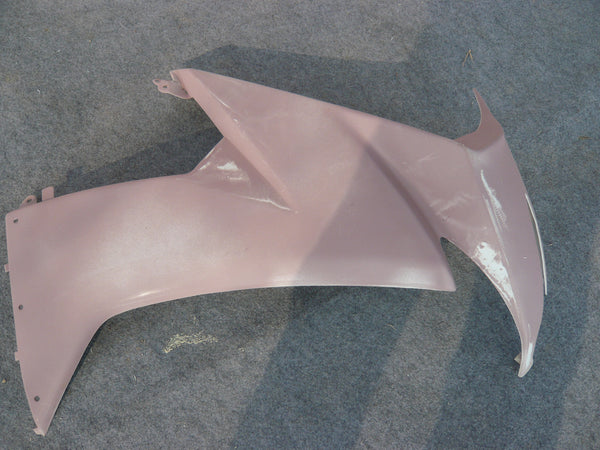

“Full fairing kit” is a useful shopping phrase, but it is a poor workshop instruction. A photograph may show painted outer shells while the motorcycle also needs rubber collars, lamp supports, inner trims, a windscreen, fasteners and thermal pieces. Some may be inside the selected kit, some may remain on the original bike, and some may require a separate purchase. The only safe answer is an order-specific parts matrix made before the installer removes everything.
NiceFairings already has a general guide to kit contents and a delivery inspection checklist. This article adds a narrower tool: assign each required component to the supplier, the motorcycle, a separate parts order or an unresolved question. That is useful when the buyer, seller and installer are three different people.
Cover image: AI-generated editorial illustration of a parts check. It does not depict a NiceFairings shipment or establish what any selected kit includes.
Why a flat-lay photograph cannot be the manifest
A clean product photo may not show every small black part. Conversely, a screen or tank-cover-shaped object in a gallery may be an accessory image, a variant choice or a display prop, depending on the listing. Read the exact selected option and written order. Do not infer that every kit includes a windscreen, fuel-tank cover, grommets, a bolt set or exhaust shielding. If a page is unclear, ask NiceFairings to identify the actual supplied items before payment or installation.
One CBR600RR F5 2007–2008 design page names its design code and directs buyers to accessory photos for included items. That is a model-specific offer, not a universal box count. A different model or option may have a different visible layout and retained-part needs. When discussing a kit, include the URL, design/option and saved order reference so the supplier can answer about that purchase rather than “a fairing kit” in general.
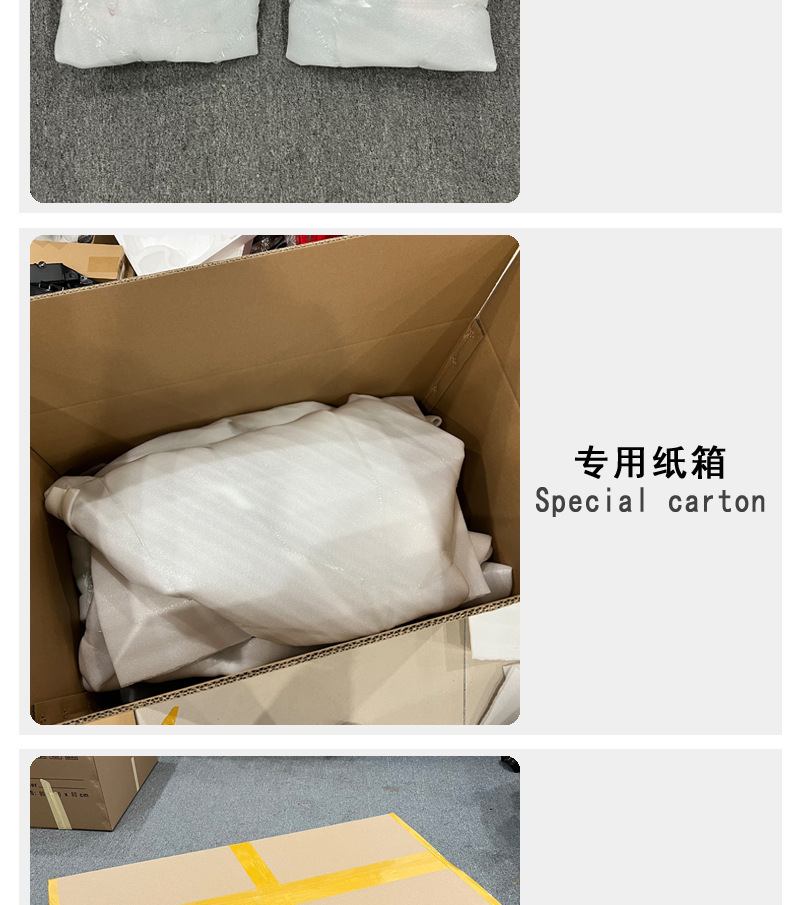
Real NiceFairings packing-area archive photograph. It shows a protected panel in a carton, not a guaranteed carton layout, complete manifest or damage-free delivery promise for every order.
Build the matrix with four responsibility labels
For each component needed to finish your motorcycle, mark one of four statuses: supplied by this kit, retained/transferred from the bike, ordered separately, or unresolved. “Unresolved” is a useful status; it prevents a photograph from silently filling a gap. Add who confirmed the status, when, and a source such as a product description, order email, OEM parts record or inspection photo.
| Component or interface | Source for this motorcycle | Confirmed evidence | Who resolves a gap? |
|---|---|---|---|
| Left and right outer side panels | Kit / original / separate / unresolved | Exact option's item list and received parts | Supplier or installer, depending on discrepancy |
| Upper nose, lower cowl and tail pieces | Mark each piece separately | Named product photos plus written confirmation | Supplier for missing promised piece |
| Fuel-tank cover or tank-side trim | State which part, not “tank included” | Selected option and bike's existing pieces | Supplier or owner |
| Windscreen and mounting rubber | Treat as two lines | Listing, package and original assembly | Owner/installer for reusable hardware |
| Lamps, mirrors, signals, inner ducts | Each has its own line | OEM diagram and bike inspection | Installer or separate parts order |
| Fasteners, collars, grommets, heat shielding | Count and identify by location | Seller statement plus workshop inventory | Agree before installation |
This is a template, not NiceFairings' standard included-items table. Replace every example status with the written facts for one order. If a component is integral to another assembly or absent on your model, mark it not applicable with a reason. Use the correct manufacturer's parts diagram for the actual model/market as a component map, while remembering that the diagram does not say what an aftermarket box contains.
Use a row for the interface, not only the painted shell
An installer does not just attach a left panel; they connect that panel to an upper, a lower, a stay, a fastener stack and sometimes a heat barrier or inner trim. For each visible painted piece, add the components that let it attach without stress. “Left fairing supplied” and “left fairing can be installed with the hardware presently on the bike” are different statements. If the original collar is missing, the new plastic may be correctly made yet the assembly remains incomplete.
Keep the row names specific enough that another person can count them. “Hardware included” is too broad. “Four fasteners for the upper-to-side joint, with the correct rubber seats” is a testable line, if the seller has confirmed that quantity for the selected product. Do not copy that number into a real order without confirmation. You can also use a photograph of the original joint and a parts-diagram reference to explain what you mean. A generic accessory bag photo is not a substitute for the actual quantity and locations.
The same approach prevents a common misunderstanding about finished color. A painted tank-cover-shaped piece in a gallery does not establish that the buyer receives a tank cover, and a painted nose does not establish the headlamp or windscreen. Each item should have a source, a person responsible for obtaining it, and a date by which its status must be known. If the seller answers “reuse OEM hardware,” ask which components that phrase covers. If the installer has not yet seen the bike, mark the transfer as conditional on inspection.
Put the critical interfaces first: the parts that hold the front cowl, retain the screen, support lighting, protect nearby hot areas and secure lower panels. A missing cosmetic trim may delay the final appearance; a missing support can prevent safe assembly altogether. Your matrix is also a scheduling tool. If a required original piece is broken, order its replacement before the motorcycle is stripped and left occupying a workshop bay. When a part number is needed, verify it against the correct manufacturer record for your specific market and variant. Do not treat an old forum number or another seller's kit photo as a current source of supply. The goal is an honest handoff, not a longer shopping list.
Three parts that often deserve their own row
Tank cover versus fuel tank: A painted plastic cover, tank-side trim and a metal fuel tank are different things. A product image of a shaped cover does not imply a complete fuel tank is being shipped. Our tank-cover explanation gives the naming distinction. Ask whether the selected option includes the cover and how it is retained on this bike.
Windscreen plus its attachment stack: “Screen included” does not answer whether the original well nuts, rubber washers or special fasteners must be reused. Nor does a photograph prove the screen holes match a previously modified front stay. Put the screen and its retention pieces on separate rows. If the motorcycle has a nonstandard screen or upper cowl, tell the seller before treating a hole outline as confirmed.
Lighting openings and supports: An upper panel can have a headlight opening without supplying the headlamp, rear housing, brackets or wiring. Document what remains on the bike and whether the installed lamp is original. A fairing shell should not be forced around an unknown replacement headlight to make a product photo look right.
Example: convert one shopping page into an installable record
Suppose a buyer selects the CBR600RR F5 2007–2008 painted kit listing. The exact color option, motorcycle configuration and retained original parts are still needed. The product page is a starting record, not permission to fill every “supplied” cell. A responsible draft matrix might read as follows:
| Item | Initial status | Evidence still required | Who should answer? |
|---|---|---|---|
| Painted outer panels shown for selected design | Ask seller to itemize | Written selected-option list | Supplier |
| Windscreen and its mounting rubber | Unresolved separately | Accessory list and old bike inspection | Supplier and installer |
| Tank-cover-shaped plastic part | Unresolved | Exact option and supplier confirmation | Supplier |
| Original headlamp, brackets and wiring | Inspect on motorcycle | Owner photos and model-specific parts record | Owner and installer |
| Original grommets, collars and reusable bolts | Inspect before dismantling | Labeled photographs and condition check | Installer |
| Exhaust heat barrier and its mounts | Unresolved | Bike's present hardware and seller's item list | Installer and supplier |
This is a worked method, not a representation of that product's box. The unanswered entries are deliberately unanswered. If the selected listing or seller later confirms an item, update that row with the wording and date. If the motorcycle does not use a listed component, mark it “not applicable” only after checking the actual variant. Keep the source link and the seller's written answer with the order so the installer need not reconstruct the decision from memory.

A product-page example. Confirm the selected option's actual included items in writing; this layout alone cannot settle fasteners, windscreen parts or what remains on the motorcycle.
Receive the box against the same document
Save the agreed manifest and order confirmation. When the box arrives, photograph the outer carton, then unwrap on a clean protected surface. Check the promised painted pieces against the manifest, not against a generic website picture. Record obvious transit damage, front/back condition and any missing item before irreversible installation work. Use the unboxing inspection guide for the detailed receipt procedure.
Next, ask the installer to inventory the retained original pieces. A brand-new outer panel can be correct while an old rubber mount, collar or stay is absent or damaged. Separate that repair from a supplier shortage. The fastener guide explains why a loose bag of screws is not a complete mounting plan. Avoid substituting an unverified fastener or tightening until a distorted panel lines up. The applicable service information and the actual motorcycle control that work.
Reconcile the record at three points
Before payment: the supplier answers what the selected order contains. The owner checks which original components are still present and flags modifications, previous damage or missing panels. Unknowns remain visible on the sheet. A price comparison between two kits is meaningful only after the rows show whether they require separate hardware or other retained parts. Do not add a guessed value for labor or missing pieces just to make one option appear cheaper.
When the carton arrives: the receiver checks promised items against the saved order and records carton condition before installation. A mismatch belongs in the supplier column only if the piece was promised for that order. A damaged original grommet discovered later belongs in the retained-bike column. Keep packaging and labels until any discrepancy is resolved. The arrival check is a factual count and condition record, not a fitment test performed on a floor.
At the trial fit: the installer verifies interfaces on the actual motorcycle. The matrix may need a new line when a bracket or inner duct turns out to be absent or incompatible. Write the discovery down before a workaround changes the part. If a tab will not meet a mount, record the first conflict and compare the old part, new part and supporting structure. Do not turn an unresolved row into “supplied” simply because a mechanic can fabricate a substitute. That could conceal a legitimate shipment issue and make the eventual handover unclear.
Use the matrix when something does not match
If the written order says a piece is included and it is absent, send the supplier the order reference, manifest line, carton and laid-out-part photos. If a required original component is missing from the motorcycle, ask the mechanic to identify it using the proper parts information. If the expected interface differs from both, pause at the first trial-fit conflict and document it before cutting, drilling or discarding packaging. Our shop-install work-order guide gives a way to agree on extra labor and approval.
An honest product page and an honest buyer note meet at the same point: the exact SKU/option, actual bike and itemized responsibilities. Browse NiceFairings fairing products to identify a candidate, then ask for the order-specific supply answer. We are not offering a downloadable universal packing list, because no such file can truthfully name every component for every model and selected option.
Copy this question before you book the workshop
I am ordering [exact NiceFairings product URL and selected design] for [verified motorcycle make, model, year and market]. Please identify the painted pieces supplied with this option, and confirm separately whether the windscreen, tank-cover-shaped part, fasteners, grommets, inner trims and heat-shielding pieces are included, excluded or variant-dependent. I will ask my installer to inspect retained original supports and hardware. Please flag any parts that this offer assumes are already on the bike.
Send the final written item list to the installer with photographs of the motorcycle. Ask the shop to mark which retained pieces are serviceable and to identify missing components before its estimate becomes final. This does not ask the seller to guarantee an unknown bike's condition; it asks everyone to name the same parts and responsibilities. If the supplier cannot yet confirm a specific item, keep that row unresolved and delay dependent installation work rather than quietly substituting a guess.
Cover: AI-generated editorial illustration of a parts check, not a NiceFairings shipment or a verified kit contents photo.