
A 2015 and a 2016 Kawasaki Ninja ZX-10R should not be treated as one fairing application simply because both say ZX-10R on the tank. Kawasaki describes the 2016 motorcycle as a model change with a larger front fairing. Its U.S. parts catalogs also assign different numbers to the upper cowling, windscreen and meter bracket on the particular 2015 and 2016 models checked below. NiceFairings offers separate 2011–2015 and 2016–2020 product groups. Start with the year and actual bodywork on your motorcycle; settle the complete parts scope before selecting paint.
That is a strong reason to pause at this boundary, not a claim that every single bolt or component is different. A Kawasaki part number identifies an original component in a specified model catalog; it does not by itself prove whether an aftermarket item, a repaired bike or a proposed conversion will work. This guide separates what the published evidence establishes from the questions that still need a seller or qualified technician.
What Kawasaki actually said about the 2016 change
Kawasaki Heavy Industries' October 2015 model announcement calls the 2016 ZX-10R a model change. In its chassis discussion, Kawasaki says the front fairing was enlarged to improve wind protection. That statement is directly relevant to someone shopping for a nose and screen. It is not an installation drawing, a measurement of every mounting hole or a declaration about interchangeability.
The practical question is: which complete front-end assembly does my bike have, and which assembly does this offer expect to keep? A nose is surrounded by the screen, mirrors, lights, intake trim, inner pieces and supports. Similar paint can conceal different interfaces. A changed factory part number does not mean every shared bolt is unusable.
The old NiceFairings 2011–2015 versus 2021–2026 overview skips the adjacent 2015-to-2016 decision. This article addresses that missing boundary using the two original Kawasaki cowling lists, not another general installation checklist.
Read the factory lists without over-reading them
For a U.S.-market, non-ABS 2015 ZX-10R cowling, Kawasaki lists an upper cowling numbered 55028-0458-51B, windscreen 39154-0051 and meter bracket 11056-0175. For the U.S.-market, non-ABS 2016 ZX-10R cowling, the listed counterparts are upper cowling 55028-0572-51B, windscreen 39154-0351 and meter bracket 11057-0072. Both catalogs also include mirror covers, ram-air cowling, a front center cowling and hardware; their detailed lists are not identical.
| Front-end item | 2015 catalog example | 2016 catalog example | Safe conclusion |
|---|---|---|---|
| Upper cowling | 55028-0458-51B | 55028-0572-51B | Kawasaki identifies different original assemblies for these two specified models. |
| Windscreen | 39154-0051 | 39154-0351 | Do not assume the old screen belongs on the new nose. |
| Meter bracket | 11056-0175 | 11057-0072 | Ask what support arrangement a proposed kit expects. |
| Some small hardware | Several entries appear in both lists | Several entries appear in both lists | A model redesign does not mean every screw changed. |
These numbers are identification examples, not a shopping list for every ZX-10R variant. The cited pages are one U.S. non-ABS model code per year, with a color-specific upper-cowl entry. ABS, KRT Edition, regional specifications and later parts substitutions may have their own catalog entries. A different number may reflect geometry, finish, assembly or revision; the list alone does not tell which explanation applies to every part. If you need an original replacement, use the catalog selected for your exact VIN and market or ask a Kawasaki dealer. If you need a painted aftermarket kit, use the catalog to frame questions, then require a written answer about the exact kit.
A photograph helps you notice a generation; it does not clear an order
Look at a complete front three-quarter image of your motorcycle. Record the windscreen shape, headlight openings, center intake area, mirror bases and the line where the upper cowl meets each side. Stand back for a full side view, then add close images of the screen edge and visible inner trim. Photographs are useful because the seller can compare the machine you actually own with the application in a listing. They are weaker when cropped so tightly that the surrounding assembly disappears.

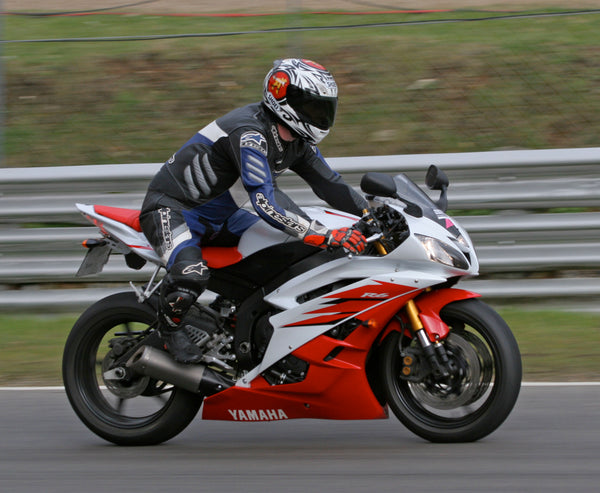
The 2013 image is visual context, not a 2015 parts record; neither it nor the 2016 cover replaces a year-specific catalog.
First identify the motorcycle, then identify the bodywork on it
A registration date and model year are not necessarily the same thing. Begin with the motorcycle's documentation and the identification information appropriate to its market. If the paperwork is unclear, a dealer can identify the original model code from the VIN. Do not put a full VIN in a public comment or image. Record the model year and version before browsing design thumbnails.
Then ask whether the current bodywork is original. A previous owner may have fitted a replacement nose, another screen, race shells, aftermarket mirrors or repaired supports. A motorcycle with 2015 registration and an unfamiliar front end is an investigation, not evidence that an easy 2016 conversion exists. Photograph the installed assembly, receipts if available and any part markings you can see without unsafe disassembly. If a crash may have moved a stay or bracket, a qualified workshop should assess it. A new colorful shell will not straighten a bent support.
Use three labels in your notes: vehicle identity, bodywork currently installed and bodywork you want to install. Keeping them separate prevents a supplier from answering a question about the factory bike while the bike in front of you has already been altered. It also prevents a design conversation from becoming an unplanned structural conversion.
What the two NiceFairings listings do and do not promise
The current store has a 2011–2015 ZX-10R example and a distinct 2016–2020 ZX-10R example. Those year ranges are the seller's application groups. They are a starting point for selecting an offer, not a complete Kawasaki interchange ruling. Check the live option and description at the time of purchase: product assortment, graphics and included pieces can change.

Do not use the flat lay as a complete packing manifest. For an exact proposed listing, ask whether the quote includes the upper cowl, left and right side pieces, lower sections, front fender, tank cover, tail pieces, inner pieces, screen and any heat or mounting items relevant to your bike. The answer may differ by product and option; do not assume everything pictured arrives or that the original hardware is replaced. The broader kit-contents guide explains how to turn a photo into a written line-item check.
If you only need one damaged piece, say so before paying for a full kit. Ask about the precise panel and finish, including how its graphics meet retained pieces. If you want the 2016 appearance on a documented 2015 motorcycle, that is no longer an ordinary same-generation replacement. Ask for a documented conversion plan naming the lamp, screen, supports, adjacent panels and other required parts. Neither Kawasaki's launch release nor the two store listings supplied here establish such a conversion. Without a credible parts-level plan, select bodywork sold for the bike you have.
A short message that gets a useful fitment answer
The best initial message is not “Will this fit?” Include the exact product URL, selected design and your evidence. A concise message could read:
My motorcycle is a [model year] ZX-10R, [ABS/KRT or other version] in [country]. The VIN-derived model code is [code, not full VIN]. These front, left, right and screen-edge photographs show its current bodywork. I am considering [exact NiceFairings URL and option]. Please confirm the intended application, the supplied panel list and which existing lamp, screen, mirrors, inner pieces, supports, fasteners and heat protection I must retain. One [named panel] was previously repaired. Please flag anything that needs independent inspection before ordering.
This deliberately asks for a scope, not an unconditional guarantee. If a seller replies with only “2016–2020 fits” while your photos show a mixed assembly, ask again about the specific conflict. Save the answer, option choice and date. If a technician is involved, give them the same packet so ordering and fitting conversations refer to the same motorcycle.
When the problem is one damaged nose, not a new paint scheme
Consider a documented 2015 bike with a scuffed upper cowl but sound supports. The immediate task is to identify the damaged panel and its original surrounding parts. Begin with the 2015 catalog group and a seller offer intended for 2011–2015. Check whether a single-panel solution exists and whether its finish can be accepted beside aged paint. Do not order a 2016 upper solely because a newer photograph looks sharper. The two sample catalogs disagree on the upper, screen and support numbers; a cross-year project needs more evidence than a color preference.
For a documented 2016 bike after a frontal impact, begin with its own catalog group. Inventory more than painted plastic: screen, lamp mounting, mirror areas, center intake, inner pieces and support structure may need inspection. A replacement shell can hide a displaced bracket in photos, then refuse to seat in the workshop. If lights, steering or secure attachment are uncertain, stop and have the machine assessed before cosmetic ordering. Our front-cowl alignment guide is about diagnosing a support problem rather than using the last screw to pull a new nose into line.
For a 2015 bike already carrying an undocumented later-looking front end, neither application can be chosen from the registration alone. Establish which actual lamp, screen, support and panels are fitted, whether the alteration is sound and what it would take to restore the factory arrangement. A mixed bike can be a valid project, but it is not an ordinary paint selection and must be described honestly to the parts supplier.
Pre-fit is a check, not a workaround for an uncertain year
Once the application and written contents are settled, receive and photograph the kit before modifying it. Compare the delivered pieces with the line-item response, not only the sale image. Organize removed clips and collars by location. Use the exact model's service instructions for disassembly, installation order and any specified tightening values. We cannot infer those values from a catalog photo.
Offer panels to the motorcycle without using fasteners as clamps to draw distant holes together. Check the screen, mirror, lamp and side-cowl interfaces as a connected system. If the first unexplained conflict appears, record it with wide and close photographs before trimming, drilling, filing or forcing anything. The pre-fit checklist and panel-gap diagnostic guide are useful here, but neither turns a 2015 kit into a documented 2016 kit or vice versa.
Before road use, a qualified person should verify secure panels, full steering travel without interference, working lights and indicators, wheel and brake-line clearance, and heat clearance under the correct motorcycle instructions. A static visual match is not a roadworthiness test. If the bike remains damaged, the safe answer may be further repair rather than a new ride.
Only then approve the finish
The redesigned 2016 nose makes a graphic preview meaningful only when it uses the correct panel template. After the application and retained parts are confirmed, ask for front, left, right and three-quarter design views. Mark whether the tank, screen, fender and tail remain original so a stripe does not terminate awkwardly against old paint. Review matte or gloss and the actual color references in daylight where possible. The custom-paint process explains the design-confirmation stage; the seam-and-view guide helps you review a layout across separate panels.
Send the vehicle packet before design approval; a paint revision is simpler than correcting an order for the wrong front assembly.
The decision in one page
| Your situation | First action | What not to infer |
|---|---|---|
| Verified 2015 bike, original-looking front | Review exact 2015 catalog and the 2011–2015 product group. | A 2016 nose is a direct style swap. |
| Verified 2016 bike, original-looking front | Review exact 2016 catalog and the 2016–2020 product group. | A picture identifies every included bracket or fastener. |
| Uncertain paperwork or prior bodywork work | Identify the vehicle and inspect the installed assembly separately. | Registration date or paint establishes the model year. |
| Planned cross-generation appearance | Obtain a documented conversion scope from qualified sources. | Differing photos alone prove that a conversion is safe or easy. |
The final order should name one motorcycle, one exact listing and option, the supplied panel list, retained original parts and unresolved inspection items. Kawasaki's 2016 announcement and the two specific factory catalogs justify treating 2015-to-2016 as a real boundary. They do not turn a blog into a universal interchange chart. A careful buyer can enjoy a new finish after the front-end question has been answered, not instead of answering it.
Sources, image credits and limits
- Kawasaki Heavy Industries, 2016 ZX-10R model announcement, dated October 8, 2015: model change and enlarged front fairing. It is not an aftermarket fitting instruction.
- Kawasaki U.S. 2015 ZX1000JFF cowling list and 2016 ZX1000RGF cowling list: original part-number examples for these specified non-ABS models only.
- NiceFairings 2011–2015 product, 2016–2020 product and ZX-10R collection, checked October 15, 2026. Product images and stated applications are seller information, not independent fit testing.
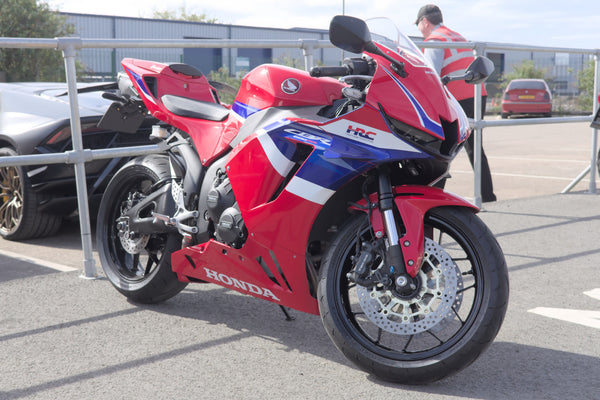
- Cover: real ZX-10R ABS KRT Edition photographed by PekePON at the 2015 Tokyo Motor Show, original and credit, CC BY-SA 4.0. Uploaded unretouched; the site may crop its display. The display motorcycle is not the NiceFairings product.
- Earlier-generation inline photograph: Dennis Bratland, 2013 ZX-10R original and credit, CC BY-SA 4.0. Displayed at smaller size without retouching. The other inline image is from the NiceFairings product listing.