World Sportbike arrived in 2026 as the new entry class in the WorldSBK paddock, replacing World Supersport 300 and creating a step toward World Supersport. That makes it an obvious source of fairing and livery inspiration for owners of middleweight sportbikes. It does not turn every street R7, ZX-6R, Daytona or similar motorcycle into a WorldSPB machine, and it does not create one universal recipe for track-day bodywork.
The first correction matters: WorldSPB is not simply a twin-cylinder class. The inaugural field includes different engine layouts and motorcycles managed under class rules and performance-balancing provisions. The official 2026 coverage identifies machines including the Yamaha YZF-R7, Kawasaki ZX-6R 636, Triumph Daytona 660, Suzuki GSX-8R and Kove 450RR; Honda’s CBR600RR was also listed as eligible. A buyer brief that calls the category “the new twins class” is already too narrow.
The useful buyer question is this: how can a street rider borrow WorldSPB’s compact, production-based visual language while preserving lights, service access, correct model fit and compliance with the rider’s actual track-day organizer?
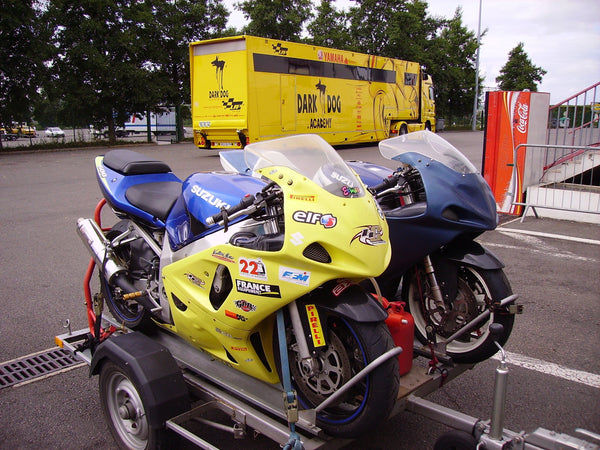
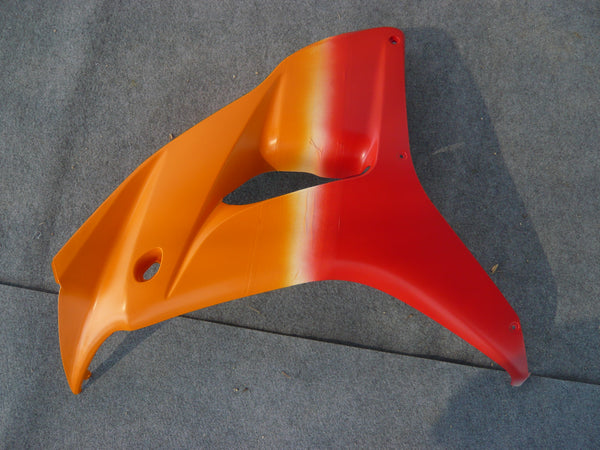
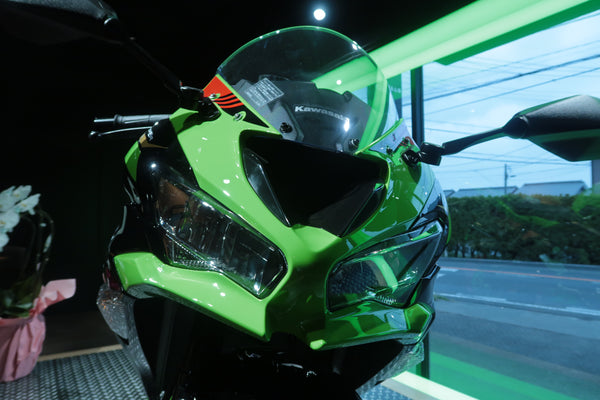
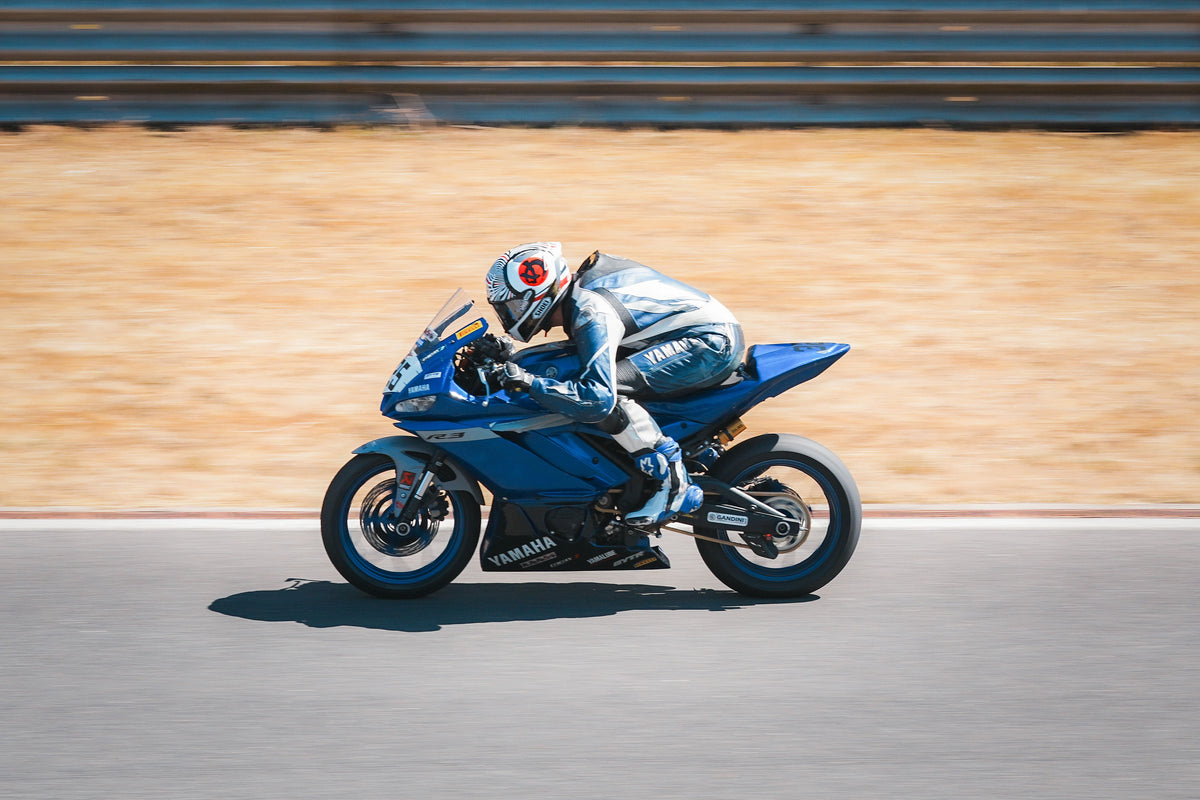
Cover photo: real track-riding stock photograph by cnrdmroglu, used under the Pexels License. It shows a Yamaha R3 as general street-and-track inspiration, not a WorldSPB entry, a NiceFairings product or a fitment example. The two inline images are AI-generated editorial concepts; none of these images proves homologation or technical-inspection approval.
Quick answer
- Use WorldSPB as design context, not proof that an aftermarket kit is race-homologated.
- Record the motorcycle’s exact year, market and variant before choosing bodywork.
- Decide whether the project is street-first, track-first or a documented two-set plan.
- Read the current event’s tech sheet; requirements differ among organizers and groups.
- Do not assume taped street lights, a stock-style lower or a painted kit will pass inspection.
- Preserve access to oil, coolant, fasteners, wiring and heat shields.
- Keep a reversible checklist for mirrors, lights, plates and road-required equipment.
- Approve livery placement on physical panel views rather than a race photo alone.
What WorldSPB actually establishes
WorldSBK’s official introduction describes WorldSPB as the successor to WorldSSP300. The detailed FIM regulations control eligible motorcycles, minimum weights, permitted parts and championship procedures. They are competition rules for homologated entries. They are not a product specification for replacement street fairings.
That distinction prevents three common errors.
First, an eligible motorcycle name does not prove interchangeability between road-model years. A 2026 R7 competition reference cannot establish that a fairing listed for an earlier R7 fits a revised road bike. Our 2026 R7 versus RS 660 comparison explains why exact model-year identification must come before bodywork selection.
Second, race bodywork and street-cut bodywork solve different packaging problems. A competition shell may omit lights, mirrors and plate equipment, while a road kit may include openings around those systems. Neither is automatically “better”; the correct choice depends on use.
Third, a world-championship technical rule does not replace a local organizer’s checklist. A recreational event can specify different light treatment, coolant, fasteners, belly-pan arrangements or noise limits. Confirmation must come from the event.

Choose one of three project architectures
Street-first bodywork with reversible track preparation
This approach retains road lighting and normal street interfaces. The rider follows the organizer’s instructions for temporary preparation and restores the motorcycle after the event. It suits occasional participants who value commuting or weekend road use more than rapid paddock changes.
The tradeoff is process discipline. Mirrors may contain turn signals or cover mounting points. Tape can affect a finish. Wires and spacers can be lost. The track-day light and mirror workflow shows how to record the change and reverse it without guessing.
Dedicated track bodywork
A separate track set protects stored street panels from routine removal and track use. Depending on the product, it may require paint preparation, brackets, fasteners and more installation work. It can simplify some race-oriented requirements, but do not assume every shell complies with every class or club.
Store the road set carefully. The removed-fairing storage guide covers padding, labeling and environment. A scratched windscreen or missing rubber mount can make the return to road trim much harder than the original swap.
Two complete street-cut sets
Some owners keep an original or understated road set and a second painted set for events and meets. Both retain normal openings, but each is separately dry-fitted, photographed and stored with its hardware map. This gives visual flexibility without representing the second set as competition bodywork.
It is often the clearest answer when the rider wants WorldSPB-inspired graphics but does not want to redesign the motorcycle’s road equipment. The cost and storage burden are higher, and repeated swaps still require careful handling.
Comparison: what each bodywork plan actually solves
| Planning question | Street-first set | Dedicated track shell | Two street-cut sets |
|---|---|---|---|
| Road lighting interfaces | Normally retained; verify exact kit | Often omitted or different | Retained on both if specified |
| Local road use | Must meet local requirements | Usually not intended for normal street configuration | Possible after full road-readiness check |
| Tech-inspection outcome | Organizer decides | Organizer and class rules decide | Organizer decides |
| Paint preparation | Depends on ordered finish | Often part of the project | Depends on both sets |
| Swap workload | Temporary event changes | Full bodywork transition | Full panel swap and documentation |
| Main buyer risk | Incomplete restoration | Assuming “race” means approved | Mixing fasteners or fit records between sets |
No column receives a “guaranteed pass” label. Tech approval depends on the motorcycle, event and work actually presented.
Build a model-specific interface map
Before ordering, photograph the motorcycle from front, both sides, rear and rider view. Then add close views of:
- headlamp and turn-signal interfaces;
- mirror bases and any wiring;
- windscreen edge and well-nuts;
- radiator ducts and inner trim;
- lower-fairing seams and exhaust clearance;
- side-stand and rear-stand access;
- tail light, plate bracket and seat-cowl boundaries;
- non-stock levers, exhaust, guards, sliders or electronics.
Do not use race-grid photography as a parts diagram. Competition motorcycles can use permitted brackets, closures or electronics that are not present on the road bike. For supplier identification, follow the angles in our fairing photo guide.
If the bike has been modified, send a clean modification list with the inquiry. The modified-sportbike pre-order checklist helps separate relevant interference risks from unrelated upgrades.
Lower-fairing questions belong to the event sheet
The attachment suggested a universal fluid-containment claim. That is too broad. Some racing and track organizations require a closed lower or specified fluid retention; some street-oriented sessions use different procedures. Capacity, drain-plug and construction rules must be taken from the current governing document for the event.
Ask the organizer:
- Is a fluid-retaining lower required for this group and motorcycle?
- Are drain openings or removable plugs addressed?
- Which fluids and cooling-system changes are inspected?
- Are original street lowers acceptable when secure?
- What evidence is needed when bodywork has been modified?
Then inspect the actual motorcycle. An aftermarket exhaust may change clearance and heat paths. Do not adopt a universal millimeter gap from an outline. Use the service information, component instructions and physical evidence. Our belly-pan clearance guide explains the correct sequence: map contact, heat and bracket position before altering the panel.
WorldSPB-inspired livery without a false replica claim
Production-based racing creates useful visual cues: compact number panels, disciplined color blocking, sponsor hierarchy and graphics that remain readable across several fairing pieces. Borrow the structure, not protected team identity.
Choose one main color, one structural secondary color and one small accent. Place the strongest contrast around panel geometry that remains visible in front-three-quarter and side views. Keep emergency-looking markings, lights, reflectors and vents clear. If a club or personal number is used, verify permission and legibility; the street-bike race-number guide explains how to avoid a cluttered result.
Do not describe a street design as an official WorldSPB replica unless the rights, machine and graphics truly support that claim. “WorldSPB-inspired” or “production-racing-inspired” is usually more accurate.
Fitment and swap workflow
A paint scheme cannot compensate for a poor dry fit. Use this order:
- Inventory the delivered panels and photograph both sides.
- Transfer only the documented reusable parts and grommets.
- Fit the main panels loosely; never drag a distant hole into place with a screw.
- Confirm light, duct, windscreen and mirror interfaces.
- Check steering movement, wiring and hose clearance at full lock.
- Check lower-panel clearance with the actual exhaust and stands.
- Tighten gradually in the documented sequence.
- Test every road-required light before public-road use.
- Photograph final seams and keep the hardware map with the set.
The full-lock clearance checklist is especially important after moving mirror wiring or upper-cowl pieces. If holes resist alignment, diagnose the first conflict rather than filing or drilling a finished panel. Our panel-gap diagnostic explains why.
What to ask NiceFairings
When reviewing the NiceFairings catalog, start with the exact model and year range. Then ask:
- Which panels are pictured and which are included in this listing?
- Which original lights, ducts, brackets, shields and hardware must transfer?
- Is the requested finish standard or custom?
- Can reference views be provided for both sides, nose and tail?
- Are non-stock exhaust, mirror or slider changes relevant to fit?
- What should be dry-fitted before any modification?
- What care instructions apply to the selected finish?
Do not request a fixed “bolt-on percentage” as though it were a meaningful universal measurement. A useful answer identifies interfaces, transfers and review steps for the exact motorcycle.
A practical paddock card
For a dual-use bike, keep one printed or offline card in the trailer or tool case:
- event and date;
- organizer’s current rules link;
- road-to-track actions;
- removed parts and storage locations;
- fastener groups and torque sources;
- lights and electrical connectors changed;
- fluids and mechanical checks assigned to a qualified person;
- track-to-road restoration actions;
- final sign-off for brake light, signals, mirrors, plate and fasteners.
This is more valuable than copying another rider’s setup photo. It turns a repeated transition into a controlled process.

Terms a dual-use rider should not mix together
Homologated motorcycle means the competition motorcycle and its permitted specification sit within the championship’s formal approval system. It does not mean every replacement panel sold for the road model is homologated.
Race bodywork is a product description that may refer to closed light openings, a different lower or a shell intended for competition preparation. The label alone does not establish approval by FIM, WorldSBK or a local organizer.
Street-cut bodywork generally describes openings for road equipment, but the buyer still has to confirm which lights, signals, mirrors and brackets it accepts. It is not a legal certification for every country or state.
Track-ready is especially ambiguous. A seller may mean the panels are painted and drilled; an organizer may mean the entire motorcycle has passed mechanical inspection. Ask the writer to replace this phrase with a list of actual features.
Tech inspection is an event decision at a particular time. Passing once does not promise that a later organizer, class or configuration will accept the motorcycle. Changes to exhaust, fluids, hardware or bodywork can change the result.
This vocabulary belongs in the buying record. If a listing uses one of these terms, save the page and ask what it means for the exact item. A clear definition prevents a styling choice from becoming an unsupported compliance claim. When transporting the prepared motorcycle, also follow the fully faired sportbike transport checklist so straps and wheel restraints do not damage the new panels.
Final verdict
WorldSPB gives middleweight riders a fresh production-racing reference, but the class is more diverse than a “twins revolution” headline suggests. Its rules govern homologated championship motorcycles, not ordinary aftermarket fairing kits or every local track day.
For most street riders, the smart translation is visual and procedural: choose a street-first, track-shell or two-set architecture; map the exact motorcycle; check the event’s current rules; and approve a livery that reads like production racing without making a false compliance claim. That approach captures the paddock energy while keeping fitment, inspection and road restoration grounded in evidence.
Short FAQ
Does owning a WorldSPB-eligible road model make my fairing race legal?
No. Eligibility applies to a homologated motorcycle prepared within the championship regulations. A replacement street fairing needs its own model-fit review, and a local event makes its own inspection decision.
Can I commute with dedicated race bodywork?
Do not assume so. Race shells may omit road-required lights, mirrors, reflectors or plate equipment. Check the bodywork design and the laws for every public-road portion of the trip. A trailer or a documented bodywork swap may be the appropriate plan.
QC source note
Class facts were checked against the official WorldSBK introduction, the 2026 manufacturer overview, and current FIM WorldSBK/WorldSPB regulations. The attached outline’s twin-only framing, automatic street legality, fixed kit contents, fixed fitment-percentage claim and universal tech-pass implications were removed.