Start by identifying what you need to replace: damaged tail body panels, a passenger seat, or a cosmetic solo seat cowl. These are different components, not three universally interchangeable upgrades. A suitable cowl may be an option for a solo rider; carrying a passenger requires the complete approved passenger setup for the exact motorcycle. This guide compares component purpose, fitment questions, kit contents, installation planning and total cost.
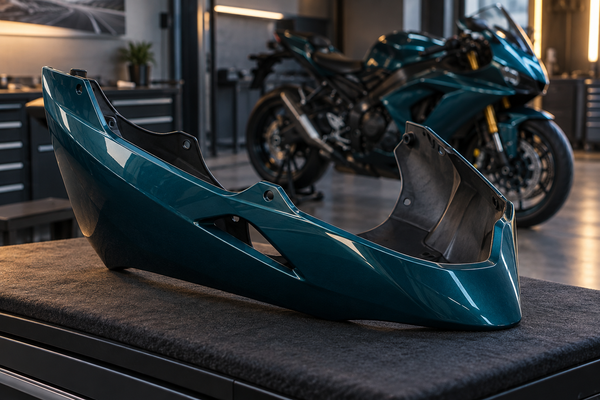
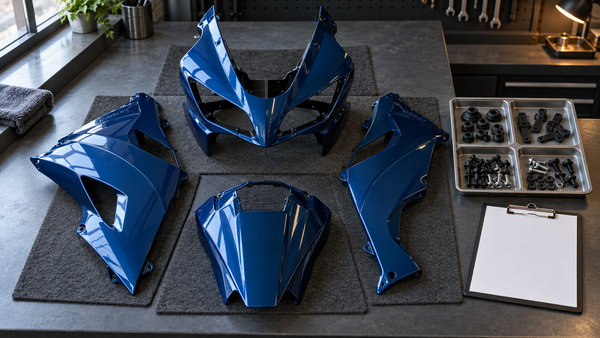
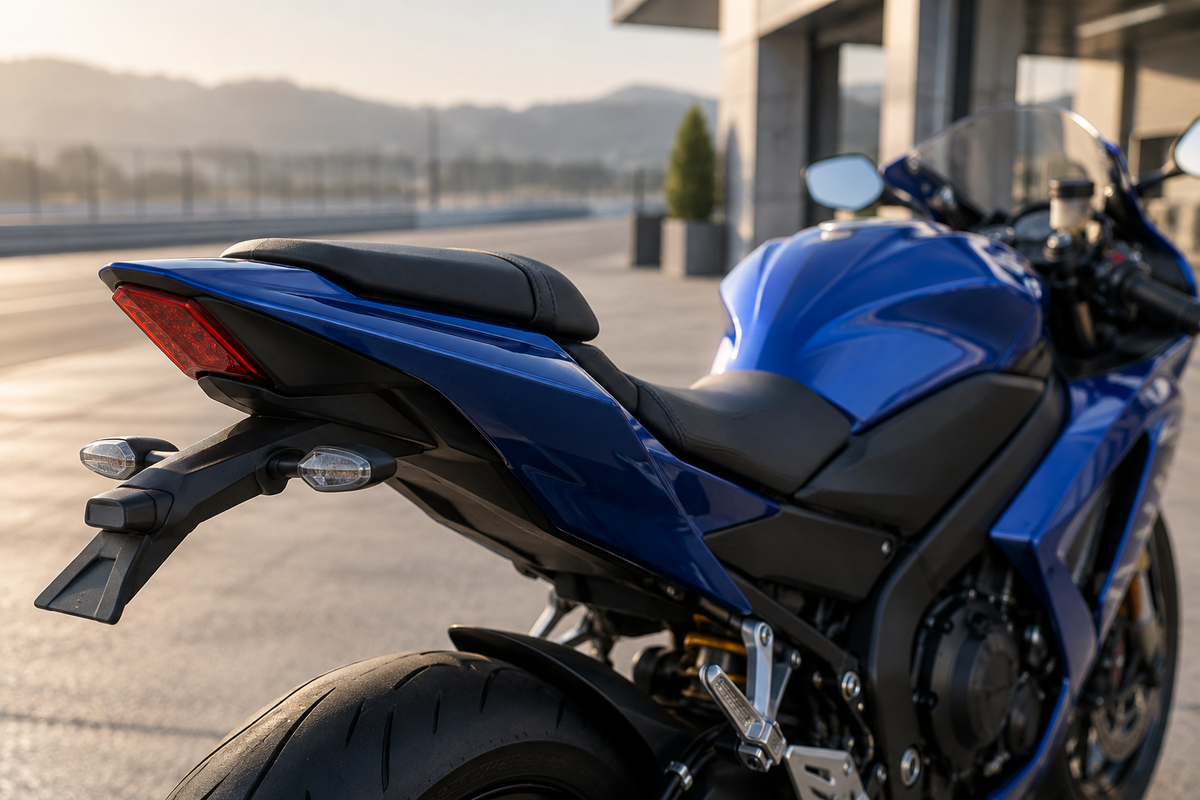
Images are AI-generated editorial illustrations, not photographs of a supplied kit or evidence of model-year fitment. Use real product information and your own motorcycle records for ordering decisions.
Key Takeaways
A tail fairing is a body panel that changes the look of your bike's rear.
Passenger seating requires the correct seat and the complete approved passenger provisions for the motorcycle.
A seat cowl is a cover for solo riding that gives a clean, smooth look.
You cannot swap these parts; each has a specific purpose.
Check your bike's exact model year before buying any rear part.
Ask the seller for written confirmation that the part fits your bike.
Confirm what hardware comes with the kit, like brackets and screws.
A compatible seat cowl is an appearance option for a solo rider, not a required upgrade.
Yamaha R6 Tail Fairing, Passenger Seat, or Seat Cowl: Choosing Your Setup
Riders often mix up the three rear-end choices for the Yamaha R6. Each part has its own job. A tail fairing is a body panel. A passenger seat is a padded seat. A solo seat cowl is a cover. You cannot swap these parts. One is not a safe replacement for another. Knowing these differences helps every owner pick the right one.
The Tail Fairing as a Full Body Panel
A tail fairing is the bodywork that wraps around the back of the motorcycle. It shapes how the tail looks and covers the subframe area. This panel does not turn a bike into a track bike by itself. Many street riders add aftermarket tail fairings just for looks. The part replaces the rear bodywork you can see. It does not replace the structural rear of the frame.
Street Replacement or Track-Specific Bodywork
Track riders sometimes pick a tail fairing for a smooth, racing look. Race groups may have their own rules about bodywork. A rider should check local track rules before buying. The tail fairing itself does not add power or make you faster. It only changes how the motorcycle looks.
Replaces Outer Rear Bodywork, Not the Structure
A tail fairing replaces the outer body panels at the back. It does not replace the subframe, the seat, or the latch. Buyers must check which pieces the fairing comes with. Some kits give you only the outer shell. Others include mounting hardware. A rider should always ask the seller for a photo of the included parts.
The Passenger Seat for Two-Up Riding
The passenger seat is a padded seat for a second rider. It works with the stock tail assembly. This seat gives a passenger a place to sit. It has padding and a cover material. The passenger seat is a real safety part. Riders should never take it off and use a cover instead if they plan to carry a passenger.
Upholstered pad for a second rider
A passenger seat provides a seating surface as part of the motorcycle’s designed passenger arrangement. Its padding is not the whole safety system: the seat base, retention, supports and other required provisions also matter. Consult the correct manual and a qualified technician where anything has been altered. This guide does not endorse an aftermarket seat or gel insert for a specific application.
Works with the stock tail assembly
An appropriate replacement passenger seat must match the intended motorcycle and existing rear assembly. Confirm the retention method and supporting parts from the actual product instructions. Modified tail bodywork, a changed latch or a damaged support may alter what is required. Do not assume a seat or cosmetic cowl can be swapped merely because it appears to occupy the same space.
The Seat Cowl for a Solo Look
A solo seat cowl is a cosmetic cover associated with the passenger-seat area. It is not a passenger seat or proof of an aerodynamic gain. How it mounts, and whether it replaces or covers another component, depends on the specific design. Choose it for a verified application and the appearance you prefer, not as a universal performance upgrade.
Cover that occupies the pillion seat space
The visible rear profile depends on the actual cowl and surrounding bodywork. Compare photographs of the exact product and ask which existing pieces it retains. Do not treat the cosmetic shell as a padded support or a passenger seating surface. If rider clearance or contact is a concern, have the proposed arrangement assessed before use.
Confirm latch and bracket compatibility
Seat-cowl mounting arrangements vary by product and model year. Ask whether the proposed part reuses the original latch and brackets or requires supplied adapters, rubber supports or other hardware. Request the installation instructions and confirm secure retention before use. Do not assume that a cowl locks in place like the existing passenger seat merely because its painted outline looks similar.
Key Factors When Choosing Between a Passenger Seat and a Seat Cowl
When choosing a rear component, start with the exact model year, existing tail configuration and whether a passenger will be carried. Compare material, finish, mounting design and included parts using the actual listing. A broad year range or a material name alone does not prove compatibility or quality.
If a passenger will be carried, assess the correct passenger seat and complete passenger provisions specified for the motorcycle. A cosmetic cowl is not a comfort upgrade or a substitute for passenger seating. Claims about resale value also need evidence; choose the component for a documented need rather than an assumed price premium.
Use buyer reviews to identify questions about fitment, instructions and missing pieces, then ask the seller about the exact listing. Compare current written quotes on the same scope, including finish, hardware, shipping and any professional fitting work. This article does not provide a verified market price range.
Frequently Asked Questions
Can a seat cowl support a passenger? No. A seat cowl is a cover. It does not give a safe seating surface for a second rider.
Does a tail fairing replace the passenger seat? No. A tail fairing is a body panel. It does not replace the padded passenger seat.
Will a seat cowl fit my R6? Fitment depends on the exact model year. Riders should confirm compatibility with the seller before ordering.
Do I need to modify my bike to install a seat cowl? Check the specific product instructions and existing mounting arrangement. Do not assume every cowl uses an unchanged factory latch or that an unexplained mismatch should be solved by cutting or drilling.
For more details on kit contents, visit the NiceFairings contact page at https://nicefairings.com/pages/contact. Riders can also review the kit-contents checklist at https://nicefairings.com/blogs/motorcycle-fairing-guides/motorcycle-fairing-kit-contents-checklist-verification.

Model-Year Compatibility: R6 and R6S Differences
Treat R6 and R6S as precise model designations, not interchangeable labels. A part may have a documented shared application, but that must be established for the exact component and years. Verify the motorcycle identity, existing tail configuration and supplier’s stated application. This article does not provide a universal R6-to-R6S interchangeability chart.
Key Year Ranges and Subframe Changes
Year ranges used in sales listings are a starting point for questions, not a complete history of rear-subframe changes. Look up the exact component in the appropriate reference system and record which supports, trim and retention parts the proposed product expects. Do not infer a subframe material, weight saving or replacement cost from a broad model-year label.
For an older or modified motorcycle, identify the bodywork actually fitted as well as the original model. A previous tail conversion may mean the current latch, supports or trim no longer match the original catalog arrangement. Ask a Yamaha dealer about OEM identification and the aftermarket supplier about its supported product configuration. The two enquiries answer different questions.
Verify Fitment Before Ordering
Fitment errors waste time and money. A part that looks right in a photo may not bolt to the buyer's subframe. The safest path is to confirm the exact model and year before any order. Sellers who know their inventory will answer these questions. Sellers who cannot answer them are a risk.
Confirm exact model year (2008-2016, 2017+)
Confirm the exact model designation, model year and original market from appropriate records or dealer assistance. Ask the seller to specify the supported application for the actual component. A 2008–2016 or 2017+ listing range does not independently establish cross-year compatibility or incompatibility of every part, particularly on a modified motorcycle.
Ask seller for written fitment confirmation
A verbal "it should fit" is not enough. The buyer should request written confirmation that names the exact model and year. Ask the seller to state the bike the part was designed for. Ask whether the part reuses the stock latch, brackets, and undertray. A written reply creates a record. If the part arrives and does not fit, that record matters. Buyers should also ask for a photo of the included parts before paying.

Seat Cowl Kit Contents and What to Ask Seller
A buyer who orders a rear-end part needs to know what arrives in the box. The listing photo may show a painted shell on a bike. That photo does not prove the kit includes mounting hardware. It does not prove the part fits a specific model year. The buyer must ask direct questions before paying. This step protects both time and money.
Typical Included Parts
Sellers describe rear kits in different ways. Some list every piece. Others show only the outer shell. The buyer should read the description line by line. A vague description is a warning sign.
Cowl body, mounting bracket, screws, latch plate
A complete kit may include the cowl body and a mounting bracket. It may also include screws and a latch plate. However, not every seller ships all of these pieces. Some kits include only the painted shell. The buyer must confirm each item by name. Ask the seller to list every part in the box. Ask for a photo of the parts laid out together. A photo of the parts on a table is stronger evidence than a photo of the part on a bike.
Paint-matched or primed finish
Finish options also vary. Some sellers offer a paint-matched finish. Others ship the part primed and ready for paint. A paint-matched part may still differ slightly from the bike's original color. Paint fades over time. The buyer should ask how the seller matches the color. Ask whether the finish is ready to bolt on or needs prep work. A primed part gives the buyer control over the final color. A paint-matched part saves a trip to the painter. Both options have trade-offs.
Real Kit Example: Verify Contents
A real listing helps show how to read a product page. NiceFairings lists a made-to-order custom painted ABS fairing kit for the Yamaha YZF-R6 2008-2016. The buyer can view that listing at https://nicefairings.com/products/yamaha-r6-2008-2016-blue-motorcycle-fairing-kit. This listing serves as a buying example. It does not prove that every seat cowl or tail component is included in every kit.
Example: NiceFairings kit for 2008-2016 R6
The NiceFairings listing covers a specific model year range. That range matters. A part built for a 2008-2016 R6 may not fit a 2017 or newer bike. It may not fit an R6S at all. The buyer should treat the listed year range as a starting point. The next step is written confirmation from the seller. The listing description also notes that the rear seat cowl and tank cover are conditional items. That wording means the buyer cannot assume those pieces come in every order. The buyer must ask whether the cowl is part of the specific kit being purchased.
Not every kit supplies full hardware; check description
Many fairing and bodywork kits do not include every fastener. Some kits reuse the original bolts and clips. Others ship with a partial hardware set. The description may not spell this out. The buyer should not assume that screws, brackets, or a latch plate come in the box. Ask the seller to confirm the hardware list in writing. A short reply that names each included part is worth more than a long marketing paragraph.
Questions to Confirm Before Buying
A short list of questions can prevent a costly mistake. The buyer should send these questions to the seller before any payment. Written answers create a record. That record matters if the part arrives and does not match the description.
Is the seat cowl definitely in the kit?
The buyer should ask this question in plain terms. "Does this kit include the rear seat cowl?" A yes or no answer is best. If the answer is vague, the buyer should ask again. The listing may show a cowl in a photo. That photo does not guarantee the cowl ships with the order. Only a written confirmation from the seller settles the question.
Will original latch, trim, and undertray be reused?
The buyer should also ask which original parts stay on the bike. Some installations reuse the factory latch, trim, and undertray. Others may require different hardware. The buyer should not assume that the stock latch works with every aftermarket part. Ask the seller to state which original parts the install keeps. Ask which new parts the kit supplies. This step clarifies the full scope of the job.
For more help, the NiceFairings contact page at https://nicefairings.com/pages/contact lets buyers ask direct questions. The published kit-contents checklist at https://nicefairings.com/blogs/motorcycle-fairing-guides/motorcycle-fairing-kit-contents-checklist-verification gives a step-by-step way to verify a kit before purchase. A buyer who uses both resources can order with confidence.
Side-by-Side Comparison: Appearance, Function, Cost
A direct comparison helps riders see the differences at a glance. The three rear-end options serve different purposes. Each one changes the look of the bike. Each one serves a distinct function. The cost of each option also varies in meaningful ways. The following table puts these differences side by side for a clear view.
Aspect |
Tail Fairing |
Passenger Seat |
Seat Cowl |
|---|---|---|---|
Appearance |
Outer rear body panels; shape and supplied pieces depend on the application. |
Padded upholstered surface. Keeps the stock tail shape and texture. |
Smooth cover filling the pillion space. Creates a clean solo profile. |
Primary Function |
Bodywork that shapes and covers the rear of the motorcycle. |
Passenger seating component that must match the complete approved seat/support/retention arrangement. |
Covers the passenger seat area for solo riding only. Not a seat for a passenger. |
Cost Consideration |
Often part of a full fairing kit. Cost varies with paint finish and included hardware pieces. |
Typically included with the bike purchase. Aftermarket options add comfort features. |
Usually a separate purchase. Price depends on material and paint match quality. |
Compare the actual components rather than combining their names. Tail bodywork encloses the rear area; a passenger seat provides a seating surface as part of the correct passenger setup; a cowl offers a cosmetic solo look. A kit may include more than one of these items, but the contents must be listed separately. None of the illustrations here establishes exact R6 fitment.
Visual and Aerodynamic Differences
Changing outer tail panels can alter the visible rear profile, but a replacement may also simply restore the original appearance. A racing-style shell and road-oriented tail bodywork can have different intended configurations. Ask what surrounding components must remain and whether the proposed design is suitable for the intended use. Appearance alone is not a technical specification.
A passenger seat maintains the original tail shape. The padded surface adds texture to the rear of the bike. Many riders see the passenger seat as a practical part. It does not aim to change the bike's look. The seat matches the front seat in material and color. This gives the bike a consistent appearance from the rider area to the tail light.
A solo seat cowl bridges the visual gap between the tail bodywork and the rider's seat. It creates one continuous line from the front of the seat to the rear of the tail. The solo seat gives the bike a purposeful, one-rider appearance. Riders who value clean lines often choose this option. The cowl covers the step that exists between the rider and passenger positions. This change makes the tail look like one solid piece.
This guide does not establish an aerodynamic or lap-time benefit for any of these parts. Such claims require testing of the specific motorcycle and component combination. A solo cowl can change the visible rear profile, but appearance alone does not demonstrate reduced drag. For track use, confirm the organizer’s requirements separately.
Weight and Installation Effort
Weight cannot be reliably ranked from component names alone. Compare the actual assembled parts, including brackets and other required hardware, if weight matters to the project. Neither ABS plastic nor carbon-fiber labeling establishes a finished component’s mass, strength or fitment. Ask for measured specifications rather than inferring a performance benefit.
Installation effort depends on the exact product and the condition of the existing tail assembly. Some cowls use a latch arrangement; others require fitting supplied brackets or supports. Read the instructions before ordering and allow time for checking retention and clearances. Do not assume the work is tool-free or takes only seconds.
Replacing outer tail bodywork can involve removal of adjoining parts and checking existing supports. The actual procedure and time depend on the motorcycle and kit. Ask the installer about the scope before ordering. Stop at an unexplained mismatch rather than assuming trimming, drilling or bending is a normal solution.
For a passenger seat, use the fitting and retention checks specified for the exact motorcycle and product. Some arrangements permit switching between a compatible cowl and seat, but this is not a universal feature. A worn latch, missing support or changed tail assembly needs assessment before use. Ease of installation should never replace a secure-retention check.
Suitability for Different Riders
A solo rider may prefer a compatible cosmetic cowl, retain the passenger seat, or replace damaged outer panels without changing the seating arrangement. Decide what problem the purchase solves before choosing an appearance. Do not infer weight reduction, comfort or ease of installation from the fact that a component is called a cowl.
A rider who carries a passenger needs the passenger seat. The seat provides a safe surface for a second person. No other option can replace this function. The passenger seat also has grip material on the surface. This helps the passenger stay in place during acceleration and braking.
For track use, check the event rules and the exact bodywork system with an appropriate installer. A race-style appearance does not authorize removal of passenger hardware, lights or other equipment from a road motorcycle. Decide which configuration the bike will actually use, and do not treat road and track requirements as interchangeable.
Match the purchase to passenger use, the existing configuration and the intended riding environment. Solo use does not require a cowl, and track use does not automatically require replacing all rear bodywork. Keep the correct components for any planned passenger arrangement and obtain the product-specific installation requirements before ordering.

Installation and Budget Considerations
Tools and Skill Level Required
Seat cowl: confirm the mounting method
A seat cowl may involve less panel removal than replacing tail bodywork, but the mounting method is product-specific. Confirm the required tools and hardware from its instructions. Have a qualified mechanic inspect worn, cracked, modified or repaired mounts before fitting a replacement. A cosmetic cover must be securely retained before riding.
Full tail fairing: more involved, may require panel removal
Tail-bodywork work can involve several adjoining panels and supports. Ask a qualified installer to define the required removal, fitting and retention checks using the actual motorcycle and kit instructions. Do not decide the task is suitable for a beginner from a general buying guide. Forcing a panel into position can conceal an incorrect application or damaged support.
Retaining Original Hardware
Confirm Correct Brackets, Rubber Supports, and Fasteners
Keep removed parts identified until the installer decides what is suitable for reuse. Original hardware is not automatically correct or serviceable, and newly supplied hardware is not automatically complete. Check the required specification and condition against the exact installation. Our fastener reuse and replacement guide explains the questions to resolve before buying additional hardware.
Check modification requirements before fitting
Do not drill, cut or force a cowl to resolve a fitment problem without an appropriate assessment. Stop and check the product application and existing hardware with the supplier. Keep required lights, indicators and reflectors functional, and follow the rules applicable to the motorcycle and its use. Suspected structural damage needs professional inspection.
Cost Breakdown and Value Tips
Price range for cowls vs full tail fairings
Prices differ based on material, finish, and what comes in the box. A seller might have a primed shell for one price and a paint-matched kit for another. A full tail fairing usually costs more than a solo cover because it covers a bigger area. Buyers should look at total cost, not just the price tag. Shipping and painting add to the final amount.
Investing in correct paint match and full hardware is worth it
Agree the finish target, supported application and complete hardware scope before comparing the price. A color code or screen image does not guarantee a match to aged paint, and an attractive finish does not establish resale value. Include any separately quoted parts or professional fitting in the project budget. Keep unresolved items visible rather than assuming a cheaper or more expensive offer is complete.

Final Decision Checklist
Assess Your Riding Needs
A rider should start with one honest question. Does a passenger ever ride on the back? If the answer is yes, the passenger seat stays on the bike. No cover or panel replaces a padded seat for a second rider. The motorcycle manual defines the safe passenger setup for the R6. Riders should follow that guidance without exception.
If the answer is no, the rider can look at a solo seat or a cover. A rider who wants a clean rear profile and a fast swap will like a seat cowl. A rider who wants full race-style bodywork may prefer a tail fairing. The choice depends on how the bike gets used most weekends.
Confirm Compatibility and Kit Contents
Confirm model identity using appropriate records, then check the actual bodywork and supplier’s component application. Identify any previous tail conversion or altered support. Do not infer a universal subframe or latch relationship from the labels R6, R6S, 2008–2016 or 2017+. Ask the relevant dealer or supplier to clarify uncertain references.
A short checklist keeps the order on track:
Confirm the exact model and year in writing.
Ask whether the kit includes the cowl body, bracket, screws, and latch plate.
Request a photo of the included parts laid out together.
Confirm which original parts the install reuses, such as the latch, trim, and undertray.
Save every factory bracket, rubber bumper, and fastener during the swap.
A seat cowl is a cover, not a passenger seat. It is not a load-bearing surface, and no rider should treat it as one.
Choose the Best Option for Your R6
Use the answers to choose the actual component needed. A cosmetic cowl may suit a solo appearance change; a passenger requires the complete correct passenger setup; damaged outer panels require appropriate bodywork. Verify the proposed product and installation before choosing. Reversibility and a quick swap are product-specific features, not promises made by this guide.
The yamaha r6 tail fairing seat cowl decision comes down to use, fitment, and verified kit contents. A buyer who confirms the model year, asks for written fitment confirmation, and checks the parts list will avoid most ordering mistakes. That process protects both the bike and the rider's budget.
There is no single best rear component for every R6 owner. Keep the passenger seat arrangement if it is required, consider a compatible cowl for an optional solo look, and replace outer panels according to actual condition and intended use. Confirm the application and contents before ordering rather than buying by appearance alone.
Before ordering, document the exact motorcycle and current rear assembly, request a parts list, and identify which existing hardware is suitable for reuse. Resolve uncertain mounts or retention parts with the supplier and an installer. Written answers help clarify the order but do not substitute for appropriate physical checks.
Now you have the knowledge—pick the right part and enjoy your R6.
FAQ
What is the main difference between a tail fairing and a seat cowl?
A tail fairing is a full body panel that replaces the outer rear shell. A seat cowl is a cover that occupies the passenger seat space. One does not substitute for the other.
Does a seat cowl support a passenger safely?
A seat cowl is a cover, not a padded seat. It lacks load-bearing structure. A passenger must always ride on a proper passenger seat.
Will the original latch work with a new seat cowl?
Compatibility must be confirmed for the exact cowl, model year and existing rear assembly. Some products reuse factory components; others require different hardware. Check the instructions, included parts and latch engagement instead of assuming a direct swap.
How can a rider confirm a kit fits their specific R6 model?
Confirm the precise model designation, year and original market, then compare the exact product application and component references. Ask the seller to address existing modifications and retained hardware in writing. A broad year range alone neither proves fit nor rules out every shared component.
Does installing a seat cowl require cutting or drilling?
Do not assume a modification-free installation. Obtain the instructions for the specific part and confirm any proposed changes with the supplier and a qualified technician. Do not cut, drill or force a panel to overcome an unexplained mismatch.
What is the best option for a rider who only rides solo?
A compatible seat cowl is one option for a solo look, but retaining the correct passenger seat is also possible. Compare the actual mounting design and appearance you want. Do not assume a weight, comfort or performance benefit from a generic cowl description.
Can an R6 seat cowl fit an R6S motorcycle?
Do not infer R6-to-R6S interchangeability from the names. Match the exact model designation, year and component references, and have the seller confirm the application in writing. Existing modifications can also change what is required.
What hardware usually arrives with a seat cowl kit?
There is no universal seat-cowl kit inventory. Depending on the listing, the purchase may be only a shell or may include brackets, supports, screws or latch components. Obtain a written parts list for the exact order and identify any separately purchased or reused items.